 Add Row
  Add
Add 

Here’s a fact that may surprise you: Traditional water chillers can account for up to 40% of a commercial facility’s total energy bill. As the digital world expands, our demand for smarter, more sustainable cooling grows stronger. Imagine slashing your operational costs—and your water usage—while keeping data centers and industrial facilities running at peak performance. Welcome to the new era of cooling without water chillers, where innovative solutions and industry leaders like Johnson Controls are reshaping not just how we cool, but how we think about energy, environment, and efficiency.
Unlocking Efficient Cooling Without Water Chillers: Why the Industry is Shifting
"According to the U.S. Department of Energy, traditional water chillers can consume nearly 40% of a commercial facility’s total energy usage—a staggering number with clear environmental implications."
Escalating energy prices, recurring water shortages, and increasing environmental regulations are forcing data centers and industrial facility operators to rethink their approach to cooling. The once-dominant water chillers are now under scrutiny for their inefficiency and substantial water and energy demands. As sustainability and cost reduction become non-negotiable business goals, leading players are searching for alternatives that are as effective as they are ecologically responsible.
Today’s data centers and industrial giants demand not just reliable cooling but solutions that drive down costs while supporting wider initiatives like water conservation and net-zero emissions. Industry leaders, including Johnson Controls, are championing revolutionary approaches, showcased at renowned platforms such as the AHR Expo. These forward-thinking strategies don't just address operational pain points—they unlock a future of resilient, efficient, and adaptable infrastructure.
What You'll Learn in This Guide to Cooling Without Water Chillers
The latest non-chiller cooling technologies
How cooling without water chillers impacts sustainability and cost
Data center cooling strategies without water chillers
Expert perspectives—including from Johnson Controls
Answers to top questions about heat pumps and AHR Expo trends
Understanding Cooling Without Water Chillers: Market Drivers and Industry Change
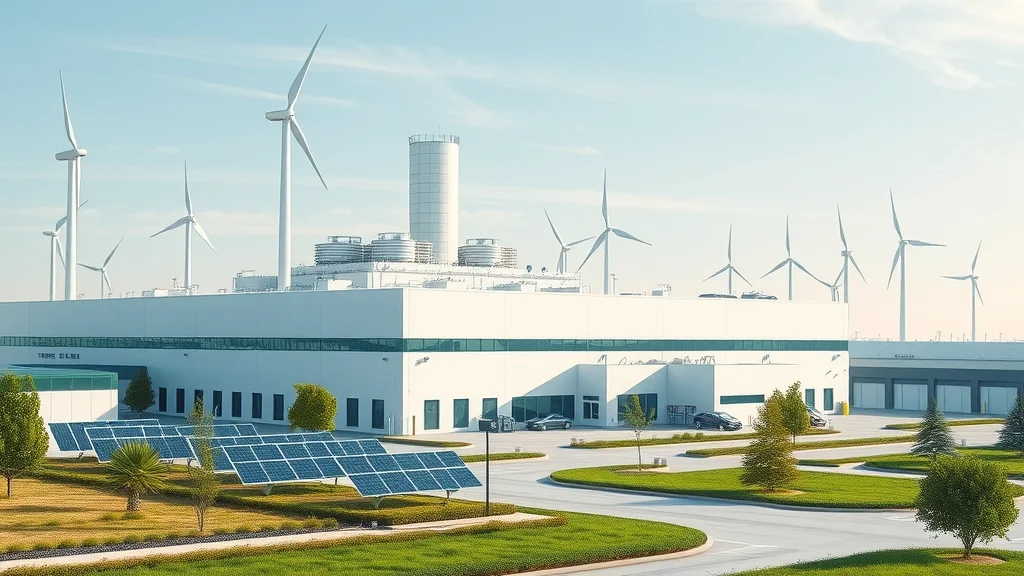
Why Data Centers and Industrial Facilities Seek Alternatives
Modern data centers and large-scale industrial operators face relentless pressure to optimize both performance and resources. With energy efficiency and environmental mandates tightening, the disadvantages of traditional water chillers are too significant to overlook. These systems require vast water resources—a risk in drought-prone locations—and are expensive to maintain due to their complex mechanical components.
For center operators, system downtime, rising utility costs, and resource-intensive maintenance disrupt both business and sustainability goals. Stakeholders in urban environments or regions with water restrictions are especially impacted, spurring investment in alternatives such as heat pump technologies, dry coolers, and air-based systems. The shift is further driven by the promise of greater flexibility across environmental conditions and the desire to advance healthy and sustainable buildings.
Key Environmental and Cost Impacts of Traditional Water Chillers
The ecological footprint of traditional water chillers is daunting. These systems consume immense water volumes for heat rejection—sometimes millions of gallons annually—while producing substantial greenhouse gas emissions due to their high energy demand. In cities like Las Vegas, where water scarcity is a persistent threat, operators face stringent conservation targets. The industry recognizes that every gallon saved not only lowers the water bill but supports broader sustainability initiatives.
Cooling Without Water Chillers Gains Momentum as Data Centers Target Lower Costs and Water Use
Rising energy costs, ongoing maintenance demands, and increased pressure to reduce water consumption are pushing data center operators to reconsider traditional water chiller systems. Industry leaders say the shift is accelerating as facilities search for cooling approaches that reduce total cost of ownership while supporting sustainability goals.
Operators of older chiller plants continue to report higher breakdown rates and more frequent service calls, which can lead to downtime in mission-critical environments. Financial controllers and sustainability officers are increasingly evaluating water-free cooling strategies as a long-term return-on-investment opportunity—particularly when energy rebates, lower maintenance requirements, and corporate sustainability commitments are included in the calculation.
Heat Pumps Emerge as a Leading Alternative
Heat pump-based cooling systems are gaining traction as one of the most widely discussed alternatives to water chillers in data centers and large industrial applications. Unlike traditional chilled-water systems, modern heat pumps can exchange heat without relying on water as the primary cooling medium.
Many of today’s heat pump designs use lower-impact refrigerants and can be paired with dry coolers, cold plates, or hybrid liquid/air solutions to improve operating range and efficiency. Manufacturers are also increasingly integrating smart controls to help systems modulate in real time based on temperature changes and IT load.
At the AHR Expo, multiple vendors highlighted heat pump configurations designed for mission-critical facilities. Industry representatives reported that some installations have reduced energy consumption by up to 30% while significantly reducing reliance on potable water.
Johnson Controls Highlights Modular, Water-Free Cooling Systems
Johnson Controls, a major supplier of building systems and data center infrastructure, has been among the companies promoting water-free cooling strategies. The company’s latest solutions combine intelligent controls, heat pump technologies, and modular dry cooling components intended to improve performance while reducing water use.
During demonstrations at industry events such as the AHR Expo, Johnson Controls showcased systems designed to replace or reduce dependence on chilled-water infrastructure. The company emphasized flexibility and scalability, noting that the same design approach can support large urban hyperscale facilities as well as smaller edge sites.
Industry observers say modular designs are increasingly viewed as a new standard, especially as data centers expand into regions with tighter water restrictions.
AHR Expo Showcases Alternatives to Centrifugal Chillers
While centrifugal chillers have long dominated large-scale cooling, the 2023 AHR Expo featured a growing number of alternatives, including multi-stage heat pumps, hybrid liquid/air cooling, and dry cooling towers.
Several manufacturers introduced equipment aimed at reducing maintenance requirements and expanding operating range, especially in hotter climates where air-cooled systems have historically faced performance challenges. Facility planners at the show noted increased attention on systems that prioritize three main factors: energy efficiency, water conservation, and scalability.
Multi-stage heat pump arrays and air-cooled units designed for high uptime environments drew strong interest as data center construction continues to grow worldwide.
Real-World Adoption Accelerates Among Hyperscale Operators
Globally, large data center operators are increasingly investing in designs that reduce or eliminate water chillers. Hyperscale cloud providers are expanding their use of air-cooled solutions and direct-to-chip liquid cooling to improve efficiency and resilience.
In some projects, heat pump systems are being used to capture and transfer waste heat, with certain facilities exploring reuse applications such as district heating or domestic hot water support. Operators say modular cooling approaches can also improve agility, allowing facilities to adapt more easily as server technology and heat density continue to evolve.
With support from major suppliers, many of these projects are also being positioned for green building certifications, reinforcing broader corporate sustainability strategies.
Operating Range Remains a Key Design Consideration
Despite growing momentum, engineers say cooling without water chillers is not without challenges. Operating range remains one of the most important factors, particularly in regions with extreme heat or fluctuating humidity.
Earlier air-cooled designs often struggled in high-temperature markets such as the Southwest. However, manufacturers at recent industry events highlighted advances in adaptive sensors, smart controls, and hybrid configurations that pair heat pumps with dry coolers or cold plate modules. These approaches are helping expand operating range while maintaining efficiency.
For many operators, improving system resilience has become a priority as data center uptime becomes increasingly non-negotiable.
Benefits and Limitations
Facilities adopting water-free cooling strategies report several major advantages, including lower operating costs, reduced maintenance, and significant water savings. These designs also support sustainability goals and can help organizations meet evolving environmental expectations.
However, industry experts caution that retrofitting older facilities may require careful planning. Compatibility with legacy systems, training requirements for maintenance teams, and limited experience with newer technologies in some regions can slow adoption.
Even so, many operators say the long-term value measured in reduced downtime risk and lower total cost of ownership, often outweighs the upfront complexity.
Outlook: Water-Free Cooling Moves Toward the Mainstream
Industry leaders increasingly describe water-free cooling as more than a trend. As data centers continue to expand and resource pressures increase, manufacturers and facility planners say the next decade is likely to be defined by smarter, more modular cooling ecosystems.
With heat pumps, dry cooling, and advanced controls gaining traction across the market, many in the industry believe water chillers may no longer be the default choice for new builds—particularly in regions where water availability and sustainability requirements are shaping design decisions.
Exploring innovative cooling solutions that eliminate the need for traditional water chillers can lead to significant energy and water savings. For instance, the article “Cooling Without Water Chillers” discusses Nvidia’s introduction of the Vera Rubin AI platform, which utilizes direct liquid cooling and ambient air to reject heat, thereby reducing energy consumption without relying on conventional water chillers. (achrnews. com) Additionally, the concept of free cooling, as detailed in the “Free Cooling” article, leverages low external air temperatures to assist in chilling water, offering an economical method to reduce energy usage in cooling systems. (en. wikipedia. org) If you’re serious about enhancing cooling efficiency and sustainability, these resources provide valuable insights into cutting-edge technologies and methodologies.


Write A Comment