 Add Row
  Add
Add 

Hook: “75% of HVAC companies struggling to meet growth targets cite labor shortages and technology disruption as their chief obstacles—demonstrating that partnership is no longer optional for sustainable growth.”
Why HVAC Companies Can’t Scale Alone Anymore: Confronting Modern Industry Pressures
The HVAC industry is in a period of unprecedented transformation. Competition is at an all-time high, and customers expect seamless technology, improved air quality, transparent communication, and rapid service. Yet, the very backbone of many HVAC businesses—skilled labor—has grown brittle. Even seasoned HVAC companies find themselves struggling with shortages of technicians, adapting to complex new air conditioning systems, and managing volatile supply chains.
The field has evolved beyond simply repairing an ac unit or installing a heating system. The need for expertise, innovation, and operational resilience is immense. As these challenges mount, attempting to shoulder every burden internally is a recipe for stagnation or decline. This article will show that strategic partnerships are not a luxury, but the most reliable path to scalable HVAC business growth. Partnerships empower contractors to expand service offerings, navigate labor disruptions, sharpen their technology edge, and ultimately achieve sustained profitability in an evolving market.
"75% of HVAC companies struggling to meet growth targets cite labor shortages and technology disruption as their chief obstacles—demonstrating that partnership is no longer optional for sustainable growth."

How HVAC Partnerships Address Critical Industry Challenges
HVAC partnerships have moved from being tactical conveniences to core business strategies. Companies that collaborate intentionally—whether with suppliers, technology providers, or workforce development organizations—are better equipped to overcome the most pressing industry hurdles. The collective strength of these alliances helps address skills shortages, access to new product innovation, and mounting customer expectations of indoor air quality. With deep collaborations, contractors can also weather supply chain disruptions, manage project overflows during peak cooling system demand, and outpace local competitors. The value of these partnerships is not hypothetical; they directly solve daily challenges that HVAC businesses face across the United States and in every local market.
- Skilled labor shortages in the HVAC sector
- Complex air conditioning, heating system, and ventilation system technology
- Rising expectations for air quality and indoor air quality
- Supply chain volatility for HVAC equipment
- Intense local competition in air conditioning and ventilation systems
What You'll Learn in This Comprehensive HVAC Partnerships Guide
- What constitutes a truly strategic HVAC partnership
- How supplier deals fuel growth for HVAC systems businesses
- Real-world HVAC company case studies on partnership outcomes
- Ways HVAC technicians can benefit from workforce alliances
- Step-by-step evaluation for any HVAC partnership opportunity

Defining Strategic Partnerships in the HVAC Industry
What Are Strategic HVAC Partnerships?
In the HVAC industry, a strategic partnership is more than simply “knowing a guy.” Unlike casual contacts—like a one-time parts order or sporadic job referrals—a true HVAC partnership operates on defined, measurable terms and delivers ongoing mutual benefit. These relationships are documented, featuring goal alignment, shared KPIs, and clear roles.
Strategic partners may be air conditioning system suppliers, reliable subcontractors for overflow or specialty work, technical training organizations, financing companies, HVAC software vendors, or even marketing agencies. By combining complementary strengths and resources, HVAC professionals can address workforce pipeline issues, secure better pricing, jump ahead with technology, or amplify their brand—all while tracking partnership ROI. For today’s contractor, working alone means missing out on the very networks that are shaping the modern HVAC landscape.
- Key difference between casual contacts and measurable HVAC partnerships
- Types of partners: air conditioning system suppliers, subcontractors, training organizations, financing companies, software vendors, and marketing alliances
Supplier & Distributor Partnerships: The Foundation of HVAC Efficiency
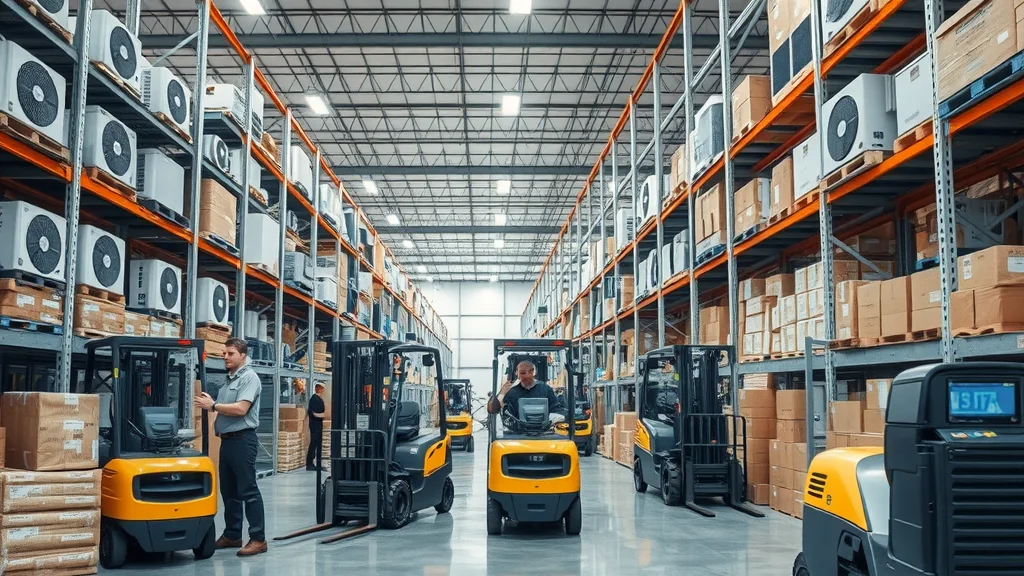
Advantages of Strong Supplier Agreements for HVAC Companies
Sourcing is the linchpin of operational efficiency for every hvac company. Smart supplier and distributor partnerships grant HVAC contractors critical advantages—starting with preferential equipment pricing and extended warranty support that directly impact project margins. These relationships also allow for early access to new HVAC system technology, often weeks or months before it’s available to the broader market. During unpredictable demand or supply chain crunches, trusted supplier alliances help businesses maintain strong inventory management and consistent lead times for vital components like air handlers, ac units, and air conditioners.
Beyond logistics, many HVAC suppliers offer co-op marketing funds, technical support, and access to specialized training, providing an integrated foundation for faster and more profitable project delivery. These measurable benefits are why supplier partnerships serve as the backbone for the most successful HVAC companies in the United States.
- Preferential HVAC equipment pricing & warranty support
- Early access to air conditioning and heating system technology
- Inventory management assistance for HVAC systems
- Co-op marketing programs with HVAC distributors
"Our partnership with a major HVAC distributor cut our air conditioner lead times in half—crucial during the summer surge." – Leading Midwest HVAC Contractor
| Type of Supplier Benefit | Impact on HVAC Operations | Notes |
|---|---|---|
| Early Access to HVAC Equipment | Secures competitive advantage in air conditioning system upgrades | Especially crucial during peak seasons |
| Co-op Marketing Funds | Reduces marketing spend for HVAC service promotions | Available via select distributor partnerships |
| Inventory Management Help | Avoids costly delays & backorders for HVAC installations | Streamlines air handler and ac unit deliveries |
Training & Workforce Development Partnerships for HVAC Excellence
Addressing Labor Shortages through Strategic Training Alliances
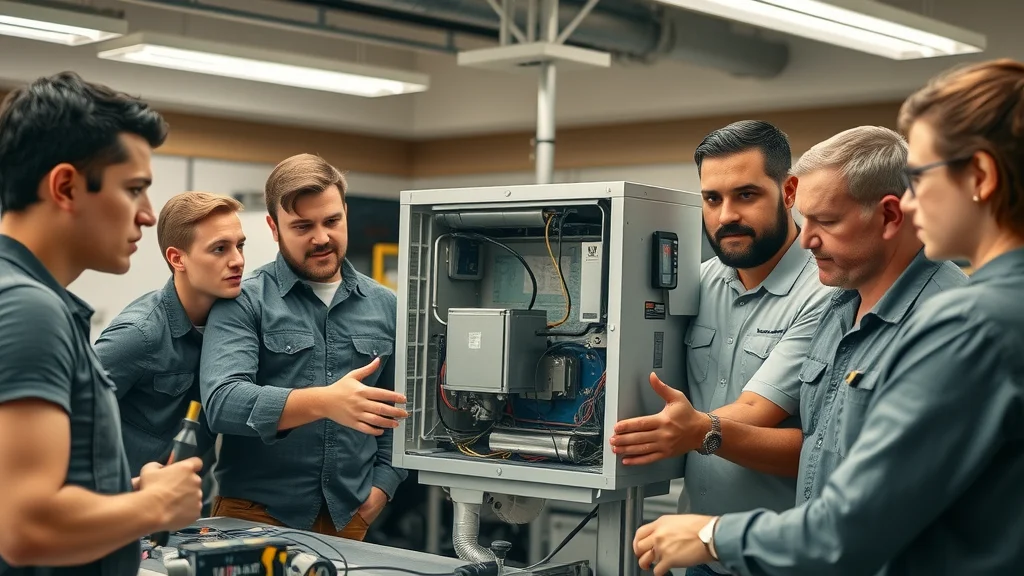
As HVAC contractors know, the most advanced hvac systems are only as good as the professionals who install and maintain them. The U.S. faces a chronic labor shortage: experienced hvac technicians are aging out, and too few young workers are entering the field. Forward-looking companies are easing this crisis by forging partnerships with trade schools, vocational programs, and equipment manufacturers’ certified training.
These alliances do more than teach installation—they foster an ongoing pipeline of skilled workforce, ensuring that both routine installations and complex indoor air quality projects are completed to high standards. By collaborating with workforce development agencies and ongoing manufacturer training, HVAC businesses gain both new recruits and advanced specialist skills for today’s technology-driven industry.
- Trade school collaborations to create a pipeline of certified HVAC technicians
- Manufacturer training on advanced HVAC system technologies
- Workforce programs for air conditioner and ventilation system skill sets
"The HVAC industry’s future depends on real partnerships with schools and apprenticeship programs." – HVAC Workforce Development Council
Strategic Subcontracting: Expanding HVAC Capacity Without Expanding Payroll
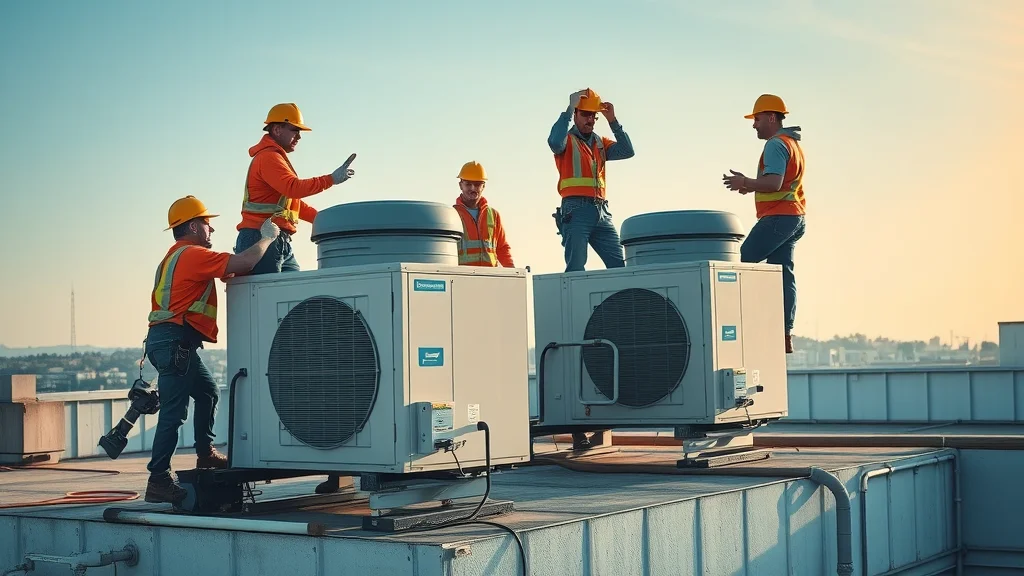
When and How HVAC Companies Should Leverage Subcontractors
For an HVAC business striving to serve more clients or tackle large-scale projects, ramping up internal staff isn’t always the smartest path. Subcontractor partnerships provide a flexible solution—allowing contractors to seize seasonal overflow, geographic expansion, or specialty projects (like duct fabrication or geothermal heat pump installs) without a burdensome payroll spike. Careful vetting and structured agreements ensure brand consistency, customer service, and compliance.
In today’s competitive markets, embracing high-quality subcontractors enables HVAC companies to offer broader solutions—like advanced ventilation system integrations or rapid emergency response—without compromising established standards. Strong partnerships mean subcontractors work as an extension of your brand, ensuring every air quality improvement or ac unit installation meets your expectations.
- Overflow project management in peak cooling system seasons
- Specialty HVAC work: duct fabrication, geothermal heat pumps, controls integration
- Expanding HVAC service areas flexibly
"Reliable HVAC subcontractors help our brand deliver high-quality indoor air systems, even during heavy demand."
Technology & Software Partnerships That Streamline HVAC Operations

Choosing the Right Tech Partners for HVAC Efficiency
Modern HVAC operations demand more than just robust mechanical expertise—they require seamless digital workflows, too. By partnering with software and technology firms, HVAC contractors can optimize every aspect of business, from dispatching and inventory management to customer tracking and remote diagnostics. For example, adopting a purpose-built CRM enhances client retention and communication, while inventory apps keep truck stock—like air filters and ac units—fully accounted for.
The most successful HVAC businesses work with their technology partners for onboarding, process redesign, and ongoing support. These alliances help companies deliver superior air conditioning services, improve energy efficiency, and generate actionable business data—turning technology into a growth engine, not just a cost line.
- Optimizing HVAC dispatch and HVAC technician routing
- Upgrading CRM for customer tracking in air conditioning services
- Adopting inventory tools for ac unit and air filter management
- Leveraging remote diagnostics for hvac system performance
| Software Tool | HVAC Benefit | Vendor Partnership Value |
|---|---|---|
| CRM Platform | Improved HVAC customer retention | Integrated training and support |
| Marketing Automation | Boosts visibility for HVAC installation | Ongoing optimization assistance |
| Inventory App | Streamlined truck stock for air conditioners | Live data for managers |
Financing Partnerships That Boost HVAC Close Rates

How Customer Financing Drives HVAC Sales
For most homeowners, replacing an ac system or upgrading a heating system is a significant investment. Strategic partnerships with financing providers transform sales conversations—making high-efficiency equipment, improved indoor air quality, and smart controls accessible without large upfront costs. These collaborations don’t just help customers afford premium solutions, they boost average project size, minimize job abandonment, and accelerate cash flow.
By positioning financing as an enabler—not a burden—HVAC professionals elevate comfort, reliability, and customer satisfaction, all while driving the bottom line. The best-performing contractors embed financing seamlessly into their sales process, broadening their reach and conversion success far beyond traditional cash-only models.
- Increases average air conditioning ticket size
- Reduces project abandonment for costly HVAC systems
- Enables households to afford higher-efficiency heating systems
"Offering consumer HVAC financing has doubled my AC system close rate this year." – Southeast HVAC Owner
Marketing Partnerships That Strengthen HVAC Brand Visibility
Collaboration with Digital Agencies and Local Businesses
- Broader reach in air quality and energy efficiency education
- Cross-promotion with local builders and service brands
- Community sponsorships enhancing trust in HVAC systems
Standing out in a crowded HVAC market is more challenging than ever—especially as digital channels become more saturated. Forming partnerships with marketing agencies, local media, and other reputable service brands amplifies visibility and trust. These alliances allow for creative cross-promotion, community outreach (such as indoor air quality education at local events), and in-market campaigns that boost both brand recognition and customer loyalty.
Savvy HVAC companies choose marketers who track performance, ensuring campaigns are as measurable as they are memorable. Community partnerships foster goodwill and establish your firm as a go-to expert on air conditioning, ventilation, and energy efficiency throughout your region.

Peer Partnerships: How Even HVAC Competitors Can Become Allies
‘Coopetition’—Building Alliances Within the HVAC Industry
- Shared technician training events
- Tool and equipment lending for specialized air conditioning system work
- Mutual job referrals outside service regions
The myth that every HVAC competitor must remain isolated is fading. “Coopetition”—collaborative competition—is on the rise, benefiting contractors of all sizes. By sharing training resources, borrowing specialty hvac equipment for unique jobs, or referring customers outside a firm’s usual territory, local companies create a network that’s stronger than any single player.
This peer partnership model ensures community-wide quality, helps stabilize technician pipelines, improves trouble-shooting on complex conditioning systems, and provides a safety net during periods of intense demand. The most resilient markets are those where companies view each other as potential partners—not just rivals.
"Strategic peer alliances are making our local HVAC industry stronger and more resilient."

How to Evaluate and Structure an Effective HVAC Partnership
Step-by-Step Checklist for Assessing HVAC Partnerships
- Does the HVAC partnership address a clear operational gap?
- Are partnership KPIs and benchmarks defined for air quality and HVAC service delivery?
- Is there a clear process for HVAC dispute resolution and exit?
Not all partnerships deliver equal value, and a poorly structured alliance can actually create confusion or risk your brand. Use this checklist before entering any agreement: Confirm the partnership solves a specific business need (labor, supply chain, technology, etc.). Evaluate if goals are clearly aligned: are both parties truly benefiting? Demand written agreements: define responsibilities, deliverables, and KPIs (like job lead times, customer satisfaction, or margin improvement). Clarify how you’ll measure success and hold joint reviews. Spell out how disputes, underperformance, or contract exits will be managed. This process transforms partnerships from wishful thinking into practical tools for measurable growth and resilience.
| Assessment Question | Why It Matters for HVAC | What to Document |
|---|---|---|
| Is the partnership mutually beneficial? | Aligns both parties’ HVAC growth goals | Shared KPIs |
| Are agreements and expectations in writing? | Avoids confusion with HVAC system deliverables | Formal contract |
| How is success measured? | Enables ongoing improvements in HVAC operations | Quarterly reviews |
People Also Ask: Your HVAC Strategic Partnerships Questions Answered
Can HVAC make $100,000 a year?
Earning potential in the HVAC sector depends on specialization, partnership leverage, and maximizing efficiency through alliances with suppliers, technology firms, and workforce providers. Top-performing HVAC company owners, particularly in robust markets, can achieve or exceed this benchmark by adopting partnership-driven business models.

What is the $5000 rule for HVAC?
The ‘$5000 rule’ suggests replacing an HVAC system when the cost of needed repairs multiplied by its age exceeds $5000. Strategic supplier partnerships and financing alliances can help manage costs and provide options for customers facing large HVAC replacement decisions.
Do HVAC make money?
Yes, HVAC businesses can be highly profitable when supported by strategic HVAC partnerships that drive steady workflows, reduce costs via bulk purchasing, ensure air conditioning system uptime, and open new revenue streams through technology and service alliances.
How much is a HVAC system for a 2000 sq ft house?
The average cost for a full HVAC system (heating, ventilation, and air conditioning) installation for a 2000 sq ft home ranges from $7,000–$12,000, depending on the air conditioning system, heat pump type, and regional labor rates. Supplier relationships can impact final equipment costs and installation timelines.
Watch our explainer animation or case study interview showing real HVAC companies collaborating with distributors: live warehouse footage, handshake agreements, inventory delivery, and field installs—see how partnership communication and process improvements drive operational efficiency and business growth.
Explore training program in action, featuring HVAC technicians learning advanced systems, practical workshops, and testimonials from companies who transformed their workforce through intentional alliances.
FAQs on Strategic Partnerships in the HVAC Industry
-
How can a small HVAC business get started with partner networks?
Begin by identifying your most urgent operational gap (such as skilled labor or equipment sourcing). Join local trade associations, reach out to reputable distributors, and meet workforce development representatives. Even one alliance—for example, with a trade school—can open up additional partnership opportunities in the broader hvac network. -
Which HVAC technology alliances deliver the strongest ROI?
CRM and dispatch software platforms that integrate training, inventory management, and digital communication tend to offer the highest ROI. Always choose vendors who provide robust onboarding, data customization, and ongoing support tailored to HVAC operations. -
Are there disadvantages to subcontracting in HVAC?
Subcontracting without well-defined scopes, brand expectations, or quality-based contracts risks damaging your reputation. Only partner with reputable, certified specialists and always monitor customer feedback and project outcomes. -
How do HVAC companies protect data and brand in marketing partnerships?
Define clear privacy guidelines, ensure your logo and messaging are used consistently, and collaborate with marketers who provide reporting transparency. Always negotiate data-sharing and co-promotion terms before launching campaigns. -
What legal considerations are there for HVAC partnership agreements?
Every partnership—supplier, installer, or marketing—should have a written agreement outlining services, warranties, dispute resolution, confidentiality, and review timelines. Consult an HVAC-savvy attorney to ensure contracts comply with state and federal requirements.
Key Takeaways for Maximizing HVAC Business Growth through Strategic Partnerships
- Identify your HVAC company’s biggest growth barrier, and target partnerships to fill the gap.
- Focus on measurable outcomes—track every HVAC partnership with defined KPIs.
- Don't underestimate workforce, technology, and financing alliances.
- Prioritize peer and community partnerships for resilient HVAC business models.
The HVAC Companies That Win Think Collaboratively
"Successful HVAC businesses don’t go it alone—their growth multiplies through strong, intentional partnerships."
Ready to future-proof and scale your HVAC business? Explore the most effective partnership models in your region and connect with peers for unmatched industry insights.
Conclusion
Strategic partnerships are no longer optional—they are the engine driving modern HVAC business growth, resilience, and profitability.
Sources
- ACHR News – https://www.achrnews.com
- U.S. Department of Energy – https://www.energy.gov
- EPA Indoor Air Quality – https://www.epa.gov/indoor-air-quality-iaq
- Bureau of Labor Statistics (HVAC Technicians) – https://www.bls.gov/oes/current/oes499021.htm
- Harvard Business Review – https://www.hbr.org
Strategic partnerships are pivotal in driving HVAC business growth by addressing industry challenges and fostering innovation. For instance, the collaboration between AAON and Copeland has been instrumental in advancing cold-climate heat pump technologies, enabling HVAC companies to meet stringent Department of Energy standards and enhance energy efficiency. (prnewswire.com) Similarly, HomeServe’s alliances with organizations like Women in HVACR and the Air Conditioning Contractors of America focus on workforce development and diversity, helping to mitigate labor shortages and promote inclusivity within the industry. (businesswire.com) These examples underscore how strategic partnerships can provide HVAC businesses with the resources and expertise needed to navigate market complexities and achieve sustainable growth.


Write A Comment