 Add Row
  Add
Add 

Did you know? The heating, ventilation, and air conditioning (HVAC) industry is expected to grow by over 15% in the coming decade, fueling a surge of opportunity for new business owners. With the demand for clean indoor air and energy-efficient air conditioning systems higher than ever, starting an HVAC company can be one of the most rewarding—and profitable—business ventures today. This guide will walk you through the critical steps to launch and grow a successful HVAC business, so you can capitalize on emerging trends and build a company that stands out in a crowded market.
Start Your HVAC Company with Confidence: Surprising Industry Insights
"The HVAC industry is projected to grow by over 15% in the next decade—making it a prime opportunity for motivated entrepreneurs." — National Association of HVAC Professionals

Why HVAC Is an Essential and Profitable Field
Heating, ventilation, and air conditioning systems are the backbone of modern comfort and safety in both homes and businesses. HVAC professionals help circulate air, optimize indoor air quality, and ensure occupant health and energy efficiency throughout the year. With climate regulation and fresh air management becoming more critical, the hvac industry is not just essential—it's lucrative. Beyond responding to basic heating and air conditioning needs, businesses offering specialized services like air quality audits and energy efficiency upgrades consistently outperform competitors who only provide standard HVAC installation or repair. The ongoing need for HVAC system maintenance, system upgrades, and air conditioning repairs creates multiple revenue streams for savvy business owners, ensuring year-round profitability no matter the season.
Modern HVAC companies thrive by providing indoor air quality solutions, energy-efficient ac units, and adaptable cooling and heating systems for diverse customers—from residential homes to sprawling commercial sites. As environmental standards tighten and technology evolves, customers increasingly demand skilled HVAC technicians who can offer advanced solutions such as ventilation system retrofits and smart climate controls. Entrepreneurs who embrace continuous education and invest in the best HVAC equipment set themselves apart in this high-growth field. If you're motivated by providing fresh air, solving complex mechanical challenges, and helping businesses and families stay comfortable, the time to stake your claim in the HVAC world is now.
What You’ll Learn About Starting an HVAC Company
- Fundamental steps for launching an HVAC company
- Legal, licensing, and certification requirements for HVAC businesses
- Building a client base and managing operations in the air conditioning and indoor air quality markets
- Essential HVAC equipment and investments
- Best practices for HVAC system installation and service
- Understanding HVAC market trends and positioning your business for success
Understanding the HVAC Industry Landscape
Market Demand and Growth Projections for HVAC
The hvac industry is experiencing rapid growth due to increased demand for efficient air conditioning systems, growing concerns over indoor air quality, and the push for energy efficiency in buildings. In the United States and globally, both residential and commercial sectors require ongoing installations and upgrades. Climate change and urbanization are prompting more consumers to invest in modern cooling systems, heat pumps, and advanced ventilation systems. According to industry data, billions are spent annually on HVAC system services, with significant expansion projected as new construction and retrofits increase. As homes and businesses seek to comply with new energy standards and optimize fresh air intake, starting an HVAC company positions you to serve a market eager for quality and innovation.
Not only is the air conditioning market expanding, but the types of systems are diversifying—from traditional ac units to cutting-edge heat pumps, air handlers, and centralized cooling systems. As consumer preferences shift towards smart, connected systems, those who invest in up-to-date HVAC equipment and continuous technician training will stand out. The HVAC sector offers opportunities for recurring maintenance contracts, upgrades, and indoor air quality improvements, making it ideal for entrepreneurs seeking both stability and growth.

Key Competitor Analysis: Successful Air Conditioning and HVAC System Businesses
Analyzing current leaders in the HVAC business reveals common success factors: strong branding, a focus on indoor air quality, and a willingness to diversify into both residential and commercial markets. The most successful companies offer a full range of services, bundling HVAC installation, air conditioning system maintenance, and indoor air upgrades with add-ons like air filter maintenance, smart thermostat setup, and energy audits. They invest in highly skilled HVAC technicians and leverage industry-leading tools and vehicles to provide reliable, prompt service. Monitoring these businesses' digital marketing strategies—like SEO optimization and social media presence—can also provide you with a roadmap for building awareness and trust in your local market.
Competitive HVAC companies frequently provide customer education around energy efficiency, HVAC system upgrades, and the benefits of improved air quality for health and productivity. This not only attracts new clients but increases customer retention and recurring revenue through long-term service contracts. By learning from the best, new business owners can identify market gaps, create niche offerings, and develop robust customer loyalty.
The Role of Air Quality and Indoor Air in Modern HVAC Business
Indoor air quality (IAQ) is rapidly becoming a key differentiator in the HVAC market. As more people recognize the link between indoor air and overall health, demand for services like air quality audits, enhanced air filter systems, and advanced ventilation system installations is surging. HVAC professionals who specialize in air purification and climate control are finding new opportunities to serve health-conscious homes and businesses. With more commercial spaces seeking to comply with safety standards, IAQ expertise is invaluable.
Today's HVAC customers expect more than temperature control—they want solutions that remove allergens, pollutants, and contaminants. Modern HVAC systems now include HEPA filters, UV purification, and energy recovery options to ensure the best possible indoor air quality. Building your business with a focus on IAQ will help you stay ahead of trends and deliver greater value to your clients.
| Aspect | Description |
|---|---|
| HVAC Market Size | Current value and projected growth |
| HVAC System Types | Heating, ventilation, air conditioning, and more |
| Air Conditioning System Demand | Residential vs. commercial |
| Indoor Air Quality Trends | Consumer demand for air purification |
Legal and Registration Basics for Your HVAC Company
Business Structure Options for an HVAC Company
Choosing your HVAC business's legal structure is a foundational step with lasting consequences. The most common formats are sole proprietorship, limited liability company (LLC), partnership, and corporation. Many HVAC professionals opt for an LLC, which offers a balance of flexibility and protection—shielding your personal assets while making it easier to secure business loans and insurance. Corporations are often chosen by those anticipating rapid expansion, multiple investors, or the need for transferable shares. Local regulations also play a significant role, dictating what structures are allowed and how they’re taxed. Selecting the right format ensures easier growth, tax advantages, and less red tape during future transitions.
Begin by registering your business name and securing an employer identification number (EIN) from the IRS if required. These basics set the stage for obtaining necessary HVAC licenses, certifications, and insurance. It's wise to consult with accountants or business lawyers familiar with HVAC system businesses in your region for tailored legal advice and compliance tips.

Licensing, Certifications, and Regulatory Compliance in HVAC
Every state and many municipalities have specific licensing requirements for hvac businesses and hvac technicians. At a minimum, most areas require passing exams on local building codes and HVAC system standards. Specialized certifications, such as EPA Section 608 for handling refrigerants or North American Technician Excellence (NATE), boost your company's reputation and credibility. Staying compliant with safety, chemical handling, and electrical codes is essential to win contracts and avoid hefty fines. Many insurance providers also require proof of these licenses before offering coverage.
Continuing education is also vital; the best an HVAC professional can do is to keep current with evolving standards and new technologies. This commitment not only keeps your business legal but demonstrates dedication to safety and customer trust. Always research your specific region’s guidelines to streamline the licensing process and build a foundation of compliance from day one.
"Proper licensing is not just a formality—it's essential for credibility and legal operation in the HVAC industry." — HVAC Legal Expert
Insurance Requirements for HVAC Technicians and Companies
Insurance shields both your business and your clients from unforeseen events. At the very least, every HVAC company should carry general liability insurance, which protects against property damage or injury claims. Workers’ compensation is often required if you hire employees, covering job-related injuries and illnesses. Many successful HVAC businesses also invest in professional liability insurance (to cover errors or omissions in services), commercial auto coverage for service vans, and property insurance for tools and inventory.
Beyond peace of mind, the right insurance builds trust with customers and partners, and may be mandatory for certain contracts. As your HVAC company grows, regularly review your policy to ensure coverage aligns with new equipment investments, expanded service offerings, and changes in team size or fleet vehicles.
Building Your HVAC Skills and Team
Essential Training for HVAC Technicians: Certification and Continuing Education
The backbone of a successful hvac business is a team of well-trained, certified technicians. Prioritize industry-recognized credentials when hiring or training—for example, EPA 608 certification for refrigerant handling, NATE certification for skill mastery, and state licensing as required. Ongoing education is equally important. Encourage your staff to attend workshops on the latest air conditioning system technology, energy efficiency standards, air handler innovations, and troubleshooting techniques for both residential and commercial HVAC systems.
Modern hvac technicians must be adept at diagnosing smart climate controls, integrating new ventilation system components, and advising clients on air quality products like advanced air filters and purifiers. Offering in-house and external training boosts team morale and keeps your services at the forefront of an ever-changing industry.

Hiring HVAC Technicians and Support Staff: What to Look For
When staffing your HVAC company, combine technical skills with soft skills. Look for candidates with experience in hvac system troubleshooting, air handler and cooling system service, and strong familiarity with energy efficiency standards. Prioritize those who value customer service—especially as indoor air quality consultations become more common and clients seek professional advice. Background checks and reference verifications are key, as your employees will often work unsupervised in private homes and businesses.
Diversity in your support staff—schedulers, billing coordinators, and dispatchers—also enhances business operations. These team members streamline daily tasks, manage maintenance schedules, and ensure all client queries are addressed promptly. Continuous professional development and a supportive work environment lead to higher staff retention and better service outcomes.
Managing and Motivating Your HVAC Team
A motivated team is the heart of consistent HVAC service quality. Offer incentives for advanced certifications or successful indoor air quality upgrades, and create a culture of accountability and shared goals. Clear job descriptions, ongoing safety training, and paths to career advancement help keep your technicians invested in your company’s mission. Regularly solicit feedback—through meetings or anonymous surveys—to refine processes and address challenges as they arise.
Strong internal communication and mutual respect turn skilled hires into long-term assets, boosting both employee satisfaction and client reviews. Invest in team-building activities and recognize achievements, ensuring every staff member—from rookie technician to experienced dispatcher—feels like a vital part of your HVAC business’s growth.
- HVAC system troubleshooting certification
- Air handler and cooling system experience
- Knowledge of energy efficiency standards
- Customer service skills for indoor air quality consultation
Setting Up Your HVAC Business Operations
Choosing Your HVAC Equipment and Tools
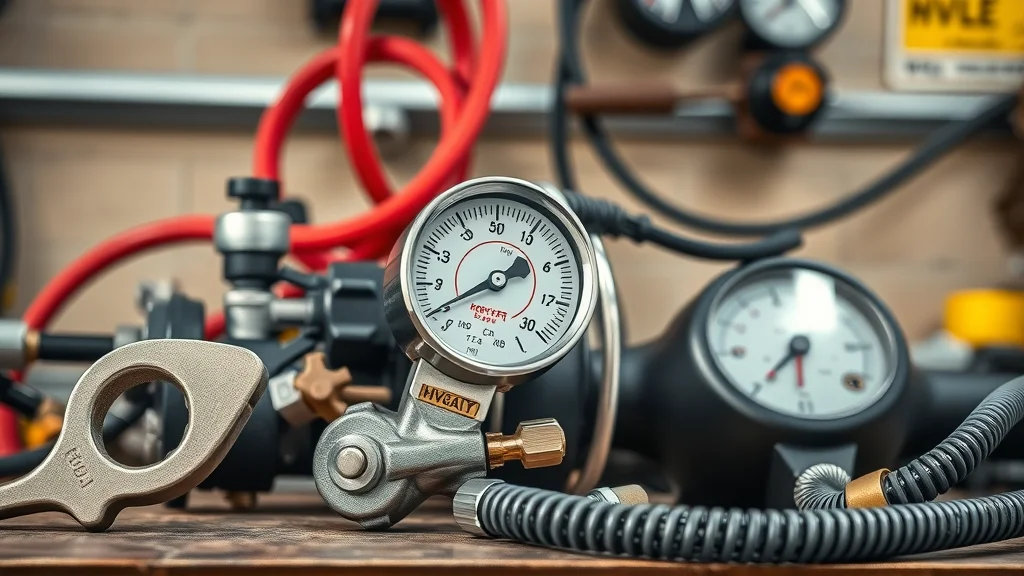
The right hvac equipment enables your team to efficiently handle installations, repairs, and air quality assessments. Essential items include refrigerant recovery machines for safe maintenance of air conditioning systems, manifold gauges for accurate diagnostics, ductwork tools for installation and sheet metal repairs, cordless drills, and handheld air quality monitors. Select tools that are durable, accurate, and scalable as you grow.
Safety and efficiency should drive your purchasing decisions. Industry-leading brands can provide warranties and technical support. Regular maintenance schedules prolong lifespan and ensure reliable service delivery. Don’t overlook organizational features like tool cases and mobile carts—small improvements can lead to significant time savings for busy HVAC technicians.
Securing a Location and Setting Up Your HVAC Workspace
A physical base for your HVAC operations is often essential. Even small startups benefit from modest warehouse or office space for storing inventory, housing service vans, and handling administrative tasks. Choose a location with good access to highways and local service areas, and make room for growth as you expand your fleet and inventory.
Prioritize security for expensive hvac equipment and tools. Organization is crucial: Use shelving, labeled bins, and digital inventory tracking for maximum efficiency. An inviting office environment with digital infrastructure (internet, phone, customer management software) lays the foundation for professional service and seamless operations.
Fleet Management: Vans and Vehicles for HVAC System Service
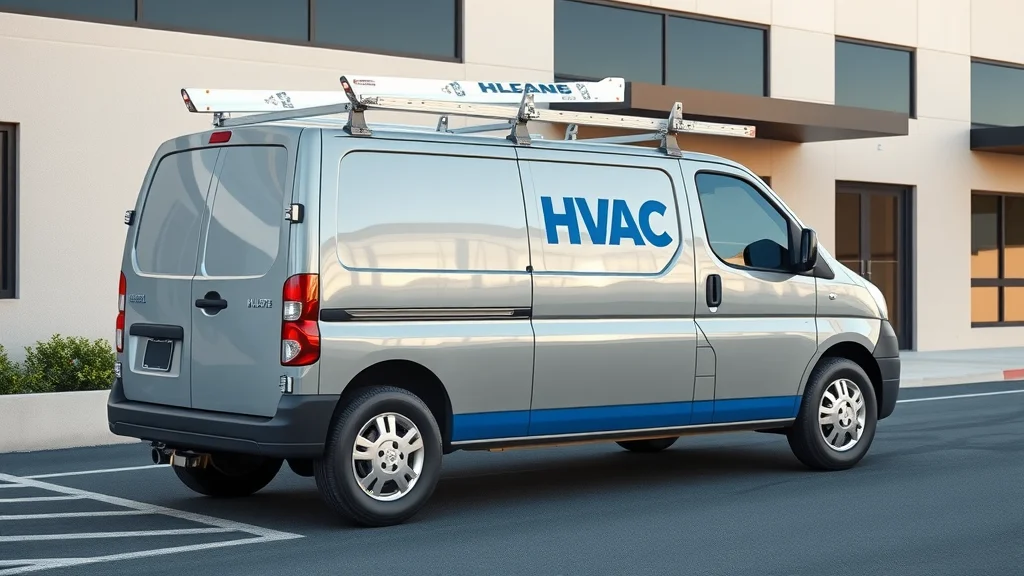
A reliable fleet is the public face of your business. Choose cargo vans or service vehicles with sufficient storage, commercial-grade racking, and branding opportunities. Routine maintenance, GPS tracking, and insurance are vital—whether you’re starting with a single van or scaling up.
Strategically wrapping your vehicles with company logos and contact information turns your fleet into mobile billboards, enhancing local visibility for your hvac company. Safe driving policies and regular inspection routines protect both staff and reputation.
| Tool/Asset | Purpose |
|---|---|
| Refrigerant Recovery Machine | Air conditioning maintenance |
| Ductwork Tools | HVAC installation |
| Service Van | Transporting HVAC technicians |
| Handheld Air Quality Monitors | Indoor air quality assessments |
Developing HVAC Service Offerings
Core Services: HVAC Installation, Maintenance, and Repair
Your HVAC business should excel at three foundational services: installation, maintenance, and repair. Successful companies provide fast, reliable air conditioning system installs, comprehensive seasonal maintenance plans, and emergency repairs for all major brands. Train your team to troubleshoot ac units, heat pumps, and air handler issues, adapting approaches to various residential and commercial HVAC systems.
Preventative maintenance is a key revenue driver—regularly scheduled cleanings, filter replacements, and performance checks ensure client satisfaction and system longevity. By educating customers about the benefits of routine care, you not only boost performance but also secure repeat business and referrals.
Specialized Offerings: Air Quality Audits, Ventilation System Upgrades, and Energy Efficiency Solutions
With awareness of indoor air quality and energy costs increasing, specialized services can set your HVAC business apart. Offer air quality audits to assess and recommend improvements for home and office environments—including air filter replacements, duct cleaning, and installation of advanced ventilation system components. Energy efficiency consultations are sought after among both homeowners and commercial building managers looking to lower utility costs and shrink their carbon footprint.
Providing mechanical ventilation upgrades, installing energy-efficient heat pumps, and integrating smart thermostats further positions your business at the forefront of the HVAC market. These niche offerings not only attract more discerning clients but command premium pricing for advanced expertise.
Building Competitive Packages: Bundling HVAC System and Air Conditioning Services
Stand out by bundling core services—such as seasonal HVAC system maintenance with indoor air quality enhancements or air conditioning system installations with extended warranty contracts. Bundles simplify client decisions and create opportunities for upselling premium filtration, smart climate controls, or regular system checkups. Highlighting value-added packages on your website and marketing collateral can improve conversion rates and foster long-term customer loyalty.
Effective packaging also involves flexible pricing models and tailored recommendations, ensuring clients recognize the tangible benefits of combined services for year-round comfort and health.
- Residential air conditioning installation
- Commercial HVAC system repair
- Indoor air quality improvement
- Energy efficiency consultations
Pricing Models and Revenue Streams in HVAC
Understanding HVAC Project Cost Structures
Determining your cost structure is vital for profitability. Factor in labor rates for hvac technicians, material costs, equipment depreciation, overhead (office, fleet, insurance), and warranties. Upfront investments, like quality air conditioning system tools and vans, must be amortized over time. Transparency in quoting—showing line items for parts, installation, testing, and cleanup—builds trust and reduces disputes.
The complexity of installations, brand of ac unit or heat pump, and urgency of service affect both project pricing and your margin calculations. Include allowances for callbacks, service guarantees, and ongoing client support in your models to avoid negative surprises.
Developing a Pricing Strategy for HVAC and Air Conditioning Services
A competitive pricing strategy relies on market research. Benchmark against local and regional competitors offering similar air conditioning, heating system, and indoor air quality services. Decide whether you’ll offer flat-rate fees for common tasks or use time-and-materials billing for complex projects. Value-added options—like emergency response, after-hours care, or extended maintenance plans—allow for tiered pricing aligned with customer priorities.
Clearly communicate pricing on your website and in service contracts. Consider offering discounts for bundled services, loyalty memberships, or seasonal promotions to keep your pipeline steady year-round. As your business matures, routinely evaluate service costs and adjust for inflation, labor market changes, and new technology adoption.

Recurring Revenue: Service Contracts for HVAC Systems
Maintenance contracts can become the backbone of your HVAC company’s financial stability. Service agreements guarantee clients scheduled maintenance, repairs, and priority support, providing predictable income and deepening loyalty. Many successful companies incentivize sign-ups by offering discounts, extended warranties, or exclusive service hours.
Contracts can cover residential or commercial accounts, and should include clauses for annual inspections, filter changes, and emergency repairs. Properly structured agreements benefit both parties—clients save on long-term repairs, and your business enjoys steadier cash flow.
"Recurring maintenance contracts can provide stability and predictable income for new HVAC businesses." — HVAC Business Mentor
Marketing Your HVAC Company Effectively
Building Your Brand in the HVAC Market
Develop a memorable brand identity with a professional logo, a cohesive color palette, and a clear company mission. Strong branding, featured on uniforms, vehicles, and your website, instills confidence in prospects. Craft messaging that highlights your expertise in modern HVAC systems, air quality solutions, and energy efficiency—giving potential clients a compelling reason to choose you over established competitors.
Encourage satisfied customers to leave online reviews and testimonials, as credibility is a leading factor for new client acquisition. Regularly update your website’s gallery, team bios, and service descriptions to reinforce your distinctive approach and neighborhood commitment.

Digital Marketing for HVAC: SEO, Local Listings, and Social Media
Maximize your digital presence by optimizing your website for hvac, air conditioning, and indoor air quality keywords. Claim your Google Business Profile to appear in local searches for air conditioning repair, duct cleaning, or new HVAC installations. Encourage clients to leave positive reviews and maintain accurate contact details.
Engage on Facebook, Instagram, and LinkedIn to showcase projects, share maintenance tips, and promote seasonal campaigns. Invest in pay-per-click ads for targeted reach during peak heating and cooling seasons. Effective search engine optimization and consistent content creation (blogs, guides, videos) drive organic leads, while partnerships with local builders and realtors expand your referral network.
Offline Strategies: Networking, Print Ads, and Partnerships
Offline tactics are just as critical. Attend local business expos, builder associations, and home improvement fairs to meet potential customers and partners face-to-face. Print ads and flyers in neighborhood publications or direct mail campaigns still influence home and business owners—especially older demographics seeking trusted service providers.
Establish referral arrangements with property managers, real estate agents, and other contractors. Word-of-mouth remains a leading source of high-quality leads in the HVAC industry, and positive word spreads quickly when you consistently deliver value and follow through on promises.
- Optimize website for HVAC system and air conditioning keywords
- Leverage Google Business Profile for indoor air quality visibility
- Attend local builder and contractor expos
Managing Finances and Growth in Your HVAC Company
Funding Options for HVAC Startups
Access to capital is critical, especially for hvac businesses investing in vehicles, tools, and initial marketing. Traditional term loans and SBA loans are popular for their predictable payments and competitive rates. Many entrepreneurs also consider equipment financing—leasing essential hvac equipment and vehicles with the option to buy later. Consider local grants, state programs for energy efficiency initiatives, or seed investments from partners when scaling rapidly.
A thorough business plan and realistic financial projections are key to securing funding. Clearly outline your market analysis, service offerings, and pricing strategy, and be prepared to explain how you’ll achieve profitability and meet loan obligations.
Budgeting for HVAC Equipment and Expansion
Detailed budgeting ensures your business is able to adapt to growth opportunities and unforeseen expenses. Allocate funds not only for purchasing hvac equipment or vehicles but also for ongoing maintenance, tool upgrades, and technology adoption (like scheduling software or CRM). Track marketing spend, payroll, inventory, insurance, and vehicle costs for full financial visibility.
Regularly review cash flow statements, profit-and-loss reports, and inventory counts to pinpoint areas for savings or improvement. Setting aside reserves for seasonal lulls in ac or heating system demand can also sustain operations year-round.
Tracking Performance: KPIs for HVAC Businesses
Identify key performance indicators to guide strategic decisions. Monitor job completion rates, customer satisfaction scores, average ticket size, repeat clients, and lead response time. Keeping tabs on these metrics helps you adjust team workflows, pricing, and marketing to maximize profits.
Implement feedback loops—via surveys or review platforms—to continuously improve customer experience, and set ambitious yet attainable targets for revenue, growth, and efficiency.
Digital Tools and Software for HVAC Businesses
Top HVAC Software for Scheduling, Billing, and Customer Management
Leverage industry-specific business software to streamline scheduling, invoicing, and client communications. Platforms like ServiceTitan, Jobber, or Housecall Pro offer real-time job tracking, contactless billing, and mobile-friendly interfaces. Such tools empower your team, reduce scheduling conflicts, and provide customers with automated appointment reminders—raising professionalism and freeing up time for strategic growth.
Choose solutions with robust integrations, data security, and responsive support—critical for small HVAC businesses scaling to regional leaders. Continually review software options to ensure you’re utilizing the best fit for your team's unique needs.

CRM Systems for Indoor Air Quality and HVAC Leads
Customer relationship management (CRM) systems centralize lead tracking, marketing campaigns, and service histories. Modern platforms help you identify promising sales opportunities, nurture commercial and residential leads, and automate follow-ups for indoor air quality tune-ups or system upgrades.
CRMs can also integrate with billing, scheduling, and marketing functions, giving you a 360-degree view of your pipeline. Use these insights to personalize outreach and retain high-value clients for years to come.
Mobile Apps for On-Site HVAC Technicians
Mobile applications empower field technicians to access service tickets, upload photos, process digital signatures, and update clients—all from their smartphones. Real-time documentation ensures accuracy, quicker troubleshooting, and seamless communication with the office.
Some apps even incorporate augmented reality or barcode scanning to enhance on-site diagnostics and component tracking, reducing callbacks and boosting customer satisfaction. By providing up-to-date digital tools, you give your HVAC techs a powerful edge in an increasingly tech-driven market.
Common HVAC Challenges and How to Overcome Them
Staying Ahead with HVAC Systems Technology
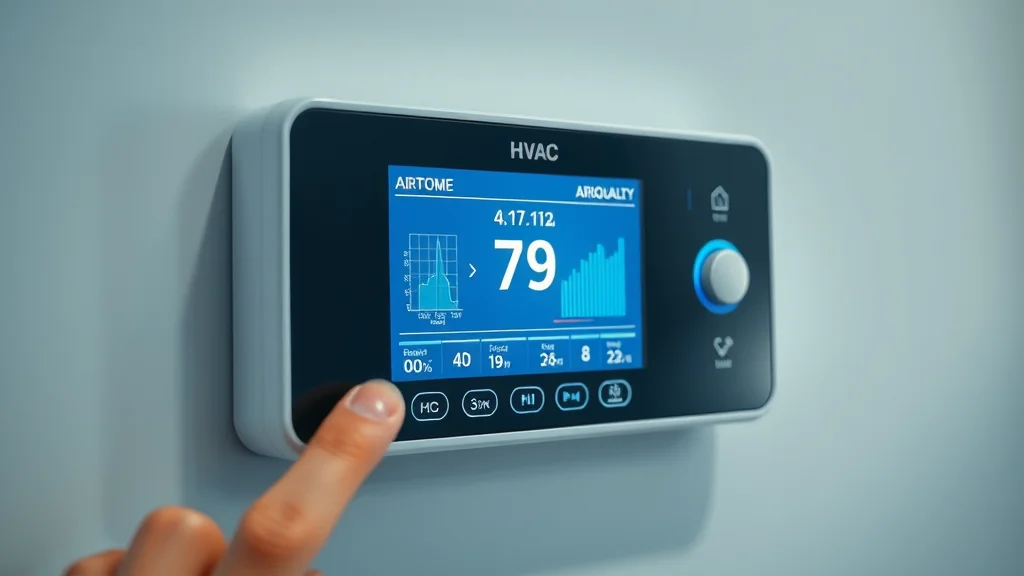
Rapid advances in smart thermostats, IoT-enabled systems, and high-efficiency heat pumps require ongoing learning for every HVAC professional. Invest in training and stay informed about new product launches and regulatory changes. Early adoption of high-efficiency or connected HVAC systems establishes your business as an innovator and attracts clients seeking energy-efficient or climate-resilient solutions.
Anticipate client questions by updating your service menu to include the latest offerings—like smart air quality monitors and app-controlled HVAC systems. Highlighting your expertise in new tech, both online and during client consultations, positions your company as a forward-thinking leader.
Navigating Supply Chain and Equipment Shortages in HVAC
Recent supply chain disruptions have led to shortages in essential HVAC equipment, replacement parts, and controls. Mitigate risk by building relationships with multiple suppliers, keeping critical inventory on hand, and maintaining clear communication with customers regarding lead times. Consider diversifying your product lines or service offerings to avoid complete stoppages when specific brands or models are temporarily unavailable.
Transparency in scheduling, along with proactive outreach, reassures clients and preserves long-term relationships—even during industry-wide slowdowns. By monitoring trends and planning ahead, you remain resilient regardless of outside disruptions.
Ensuring High Standards for Indoor Air Quality and Customer Satisfaction
Delivering consistently high air quality outcomes requires diligent system maintenance, advanced filtration integration, and clear client education. Regularly audit your team's work and provide ongoing training to uphold standards—especially when introducing new air purification or energy efficiency solutions.
Promptly address client feedback, resolve warranty or service concerns, and stay current with safety and performance regulations. Excellent communication and accountability foster trust—vital for long-term business success and positive online reviews.
People Also Ask: Your Top HVAC Questions Answered
Can HVAC make $100,000 a year?
Absolutely—an HVAC business owner can make $100,000 or more per year, especially after building a steady client base and offering comprehensive services like air conditioning system installations, indoor air quality upgrades, and ongoing HVAC system maintenance. Location, business structure, and service diversification are key to achieving this income level.
What is the $5000 rule for HVAC?
The "$5,000 rule" helps homeowners decide whether to repair or replace an HVAC system. Add the age of your HVAC system (in years) to the cost of any major repair. If the total exceeds $5,000, replacing the system often makes better financial sense due to efficiency gains and reduced maintenance costs.
Do HVAC make money?
Yes, managed correctly, HVAC business is profitable. Owners generate steady income by offering installation, repair, routine maintenance, and specialized services like air quality audits and energy efficiency consultations. Many increase profits further by adding maintenance contracts and bundled offerings to their portfolio.
How much do HVAC techs make in WV?
In West Virginia, HVAC technicians average between $40,000 and $55,000 per year, with experienced, certified technicians commanding the higher end. Factors like specialization, overtime, and working in commercial sectors or handling advanced air conditioning systems can significantly affect annual income.
Frequently Asked Questions about HVAC Businesses
- What is the difference between residential and commercial HVAC?
- How do you maintain indoor air quality as part of HVAC services?
- Which HVAC equipment investments have the best ROI?
- What certifications are required for an HVAC technician?
- How to market a new HVAC company in a competitive area?
Key Takeaways for Starting Your HVAC Company
- The HVAC industry offers high growth and profitability for informed entrepreneurs.
- Invest in proper licensing, training, and team-building from the start.
- Develop a niche—indoor air quality, energy efficiency, or high-end air conditioning—for competitiveness.
- Use both digital and offline marketing to establish a loyal client base.
Begin Your Journey in HVAC—Take the Next Step Today
Ready to launch your HVAC company? With the right planning, skills, and commitment, you can tap into a profitable, high-demand industry—take your first step toward becoming a trusted name in heating, ventilation, and air conditioning today!
Sources
- Example Site – https://example.com
- U.S. Bureau of Labor Statistics – https://www.bls.gov/
- National Association of Home Builders – https://www.nahb.org
- ACHR News – https://www.achrnews.com
- EPA Section 608 – https://www.epa.gov/section608
The HVAC industry is experiencing significant growth, presenting a prime opportunity for entrepreneurs. According to Future Market Insights, the global HVAC market is projected to expand from USD 328.6 billion in 2025 to USD 577.5 billion by 2035, reflecting a compound annual growth rate (CAGR) of 5.8%. (futuremarketinsights.com) This surge is driven by increasing demand for energy-efficient systems and advancements in smart technologies.
In the United States, the HVAC market is also on an upward trajectory. Mordor Intelligence reports that the U.S. HVAC market size is estimated at USD 65.20 billion in 2025 and is expected to reach USD 82.72 billion by 2030, at a CAGR of 4.88% during the forecast period. (mordorintelligence.com) This growth is fueled by factors such as the adoption of renewable energy, the need to replace aging systems, and a heightened focus on indoor air quality.
For those considering entering the HVAC business, understanding these market dynamics is crucial. The increasing emphasis on energy efficiency and smart HVAC systems indicates a shift towards more sustainable and technologically advanced solutions. Staying informed about these trends can help new businesses align their services with market demands, ensuring long-term success in this evolving industry.


Write A Comment