 Add Row
  Add
Add 

Did you know? By 2030, the global HVAC market is projected to surpass $367 billion—a leap powered by bold innovation, new energy efficiency rules, and rising consumer demands for high-tech air conditioning and healthier indoor air quality. As the HVAC landscape evolves at record speed, the question isn’t whether companies should change but how quickly can they adapt to stay ahead?
A Startling Look at the Evolving HVAC Landscape
The HVAC industry is experiencing rapid disruption, fueled by consumer emphasis on better indoor air quality, environmental concerns, advancing digital technology, and a much sharper focus on energy efficiency. The classic HVAC business, built around basic air conditioning and heating installs or repairs, is evolving as companies reshape their offerings to stay relevant and competitive. This new, innovation-driven era has forced companies to rethink how they design, sell, and support hearth, ventilation, and conditioning systems—putting the needs of customers and the planet at the forefront of every move. To thrive, modern HVAC firms must combine smart hvac systems, eco-friendly practices, and predictive maintenance in creative business models that anticipate tomorrow’s challenges—and opportunities.

"By 2030, the global hvac market is projected to exceed $367 billion—a surge fueled by innovation, energy efficiency regulations, and consumer expectations for advanced air conditioning and indoor air quality."
What You'll Learn in this Guide to HVAC Innovation
- Discover the latest hvac technologies driving industry change
- Understand how air conditioning and heating companies optimize business models
- Learn which strategies improve energy efficiency and indoor air quality
- Explore how hvac systems and technicians adapt to industry trends
- Get answers to the most asked questions about the hvac sector and its future
Understanding the Traditional HVAC Business Model
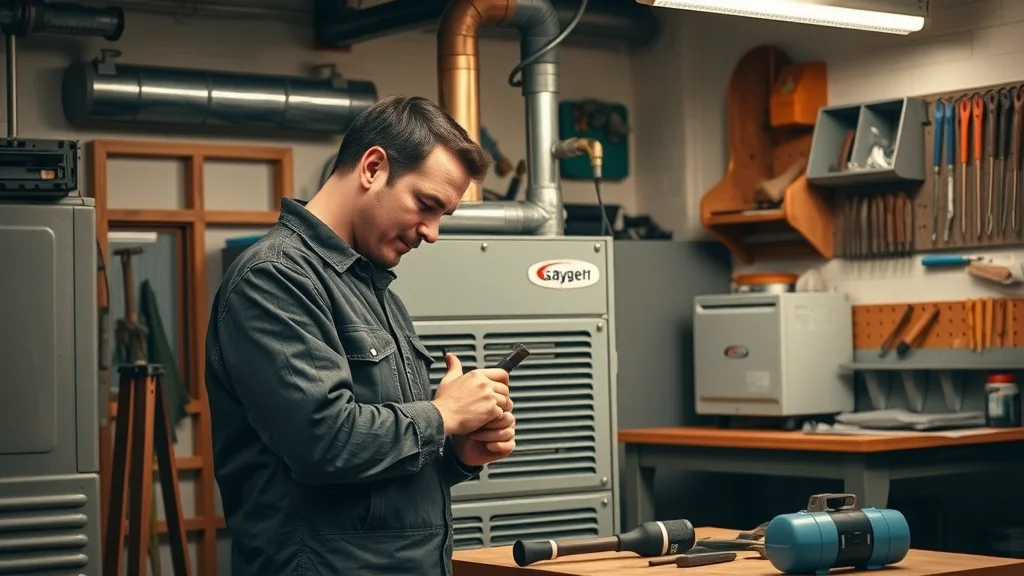
Overview of Typical HVAC Operations, Air Conditioning, and Indoor Air Quality Services
Historically, most HVAC companies in the United States operated on tried-and-true formulas built around air conditioning system installations, repairs, and seasonal maintenance. Services commonly included installing or servicing ac units, heat pumps, air handlers, and ventilation systems, often with limited ongoing engagement beyond emergency calls. Maintenance programs and routine filter replacements were offered, but the business was fundamentally reactive—stepping in when a heating system failed or central air stopped cooling. Air quality concerns were handled on an as-needed basis, with upgrades such as air purifiers or duct cleaning promoted as optional extras rather than core service lines. Indoor air quality solutions remained a niche, and even newer hvac technologies like smart thermostats were rarely central to business plans. This approach began unraveling as customer expectations—and regulatory standards—began to shift.
Routine operations of the past also relied on straightforward pricing, primarily drawing revenue from the installation of new cooling systems or the periodic maintenance of existing conditioning systems. Customer relationships were transactional, built on necessity rather than ongoing value or technological engagement. Upgrades frequently hinged on word-of-mouth, seasonal discounts, or the customer’s direct initiative. The result? Sizable but sporadic sales and a constant need to chase new leads—leaving companies vulnerable as climate awareness and smart-home preferences swept through residential and commercial markets. These seismic changes signaled it was time for a new playbook.
Historic Revenue Streams: HVAC Installation, Maintenance, and Repairs
Traditionally, core revenue for hvac professionals arose from three principal avenues: installation of new systems, preventive maintenance, and emergency repairs. HVAC installation, including new air conditioning systems, central air units, and heat pumps, composed the lion’s share of large projects. Routine services such as filter swaps, duct cleaning, and system checks provided base-level, recurring income, yet they were often marketed as optional—rarely as ongoing, bundled value-adds. Major repairs would spike in demand during summer or winter peaks, but this reactive business pattern created significant revenue volatility. Paired with a lack of technology investment—many still tracked jobs via paperwork or manual billing—companies left themselves exposed to swings in both demand and profitability.
In this legacy environment, advanced services such as indoor air quality testing, smart monitoring, and energy optimization were seen as “nice-to-haves.” When customers requested improved filtration or system upgrades, they were offered as pricey add-ons, not as part of an integrated solution. This “react and repair” mindset, once the hallmark of a successful hvac system contractor, is rapidly giving way to dynamic, customer-driven models demanding proactive tech, eco-friendlier choices, and predictive service offerings.
| Revenue Streams | Services | Customer Relationships | Technology Adoption |
|---|---|---|---|
| Installations, reactive repairs, routine maintenance | Basic HVAC, air conditioning, heating, and ventilation | Transactional, issue-based | Low, manual processes |
| Subscription, smart services, consulting | IoT, air quality, energy optimization, green retrofits | Long-term, data-driven, tailored | High, digital first |
"The traditional hvac system model focused primarily on reactive repairs, but now the emphasis is shifting to proactive, customer-centric solutions." — Industry Analyst
Why HVAC Companies Must Innovate to Remain Competitive
Industry Disruption: Emerging Technologies, Regulations and the Demand for Cleaner Indoor Air
Over the past decade, the hvac industry has faced mounting disruptions from every angle. New mandates focused on energy efficiency, sustainability, and climate impact have recalibrated what customers, businesses, and regulators expect from an hvac system. Emerging environmental policies, such as stricter refrigerant rules and ever-tightening energy ratings, pressure companies to both upgrade product offerings and overhaul service models. At the same time, the global surge in smart home devices means customers now expect connectivity, automation, and real-time diagnostics baked into every ac system, heat pump, and ventilation upgrade. The growing awareness of indoor air contaminants—from allergens to viruses—has made air quality solutions a front-and-center expectation rather than an afterthought.

The traditional “install and forget” approach cannot keep pace in this new regulatory and digital environment. Customers look for hvac professionals able to deliver personalized, connected, and cleaner solutions, often prioritizing eco-credentials and the promise of lower utility costs. For HVAC companies, embracing innovation is no longer a luxury—it’s a business-critical mandate to meet evolving standards and seize opportunities as the entire sector heads into a greener, tech-driven future.
Changing Customer Expectations: Energy Efficiency, Air Quality and 24/7 Service
Today’s customers are not only better informed but also more demanding. They want air conditioning systems, central air solutions, and even ventilation system upgrades that guarantee both savings and sustainability. The rising demand for 24/7 service access, digital monitoring, reduced carbon footprints, and superior indoor air drives HVAC companies to reimagine the customer relationship far beyond a single sale. Energy efficiency solutions, once a selling point for only a select few, are now a baseline expectation, especially as utility rates rise and rebates for green upgrades expand in scope.
"With consumers prioritizing indoor air quality and energy efficiency, hvac companies are compelled to rethink their entire approach."
HVAC professionals must now deliver integrated heating and cooling plans tailored for each customer. The pressure is on to provide proactive system health updates, remote diagnostics for air conditioners or heat pumps, and round-the-clock support leveraging AI-driven scheduling. Whether residential or commercial, the shift is firmly toward solutions that maximize comfort, reliability, and clean indoor air quality—all while aligning with stricter regulatory guidelines. Companies slow to adapt not only risk alienating customers but can quickly find themselves outpaced by digitally savvy competitors.
Innovative Business Model Strategies in the HVAC Industry
Adopting Smart HVAC Systems and Digital Technologies

Progressive HVAC companies are leveraging a wave of new technologies, creating smarter, more connected hvac systems. The integration of IoT (Internet of Things) platforms allows for real-time system health monitoring, customized comfort zones, and remote diagnostics to anticipate problems before they become emergencies. Mobile apps offered by leading brands enable both residential and commercial clients to adjust their air conditioner, track energy use, or receive filter change reminders—transforming the old phone call for a service visit into a tap on a digital dashboard. Companies adopting these technologies deliver better uptime for cooling systems and heating system reliability, all while promising tangible savings to customers.
- Integration of IoT in hvac system controls
- Remote diagnostics for air conditioners and heat pumps
- Mobile apps for managing cooling systems and improving efficiency
Access to real-time data drives efficiency both in the field and at HQ, allowing hvac technicians to diagnose and fix issues faster, leading to happier customers and fewer repeat trips. When intelligent controls spot a clogged filter or failing compressor, automated alerts are sent to hvac professionals, making maintenance predictive rather than reactive. This technology-empowered customer engagement secures loyalty, encourages planned upgrades, and drives long-term recurring revenues—putting innovators at the top of their market.
Diversification: Offering Air Quality Solutions and Comprehensive Services
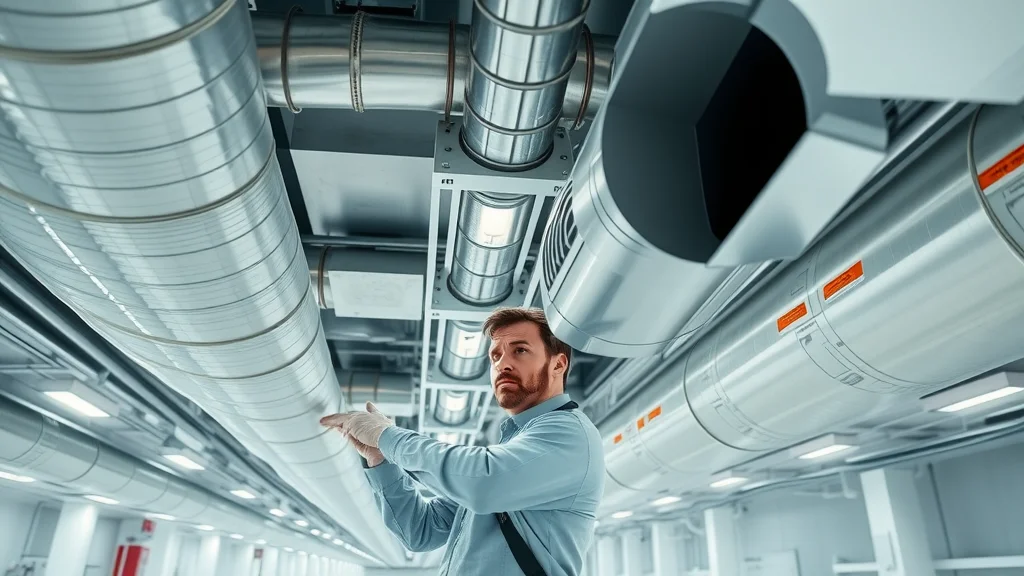
Recognizing the demand for healthier environments, leading hvac companies have broadened their offerings to include advanced air filtration, ventilation system upgrades, and indoor air quality monitoring. These new solutions, including HEPA filters, UV sterilization, and smart air quality sensors, address rising health concerns and open new avenues for recurring revenue. Customers are now drawn to maintenance plans that include regular air filter replacements, air handler checkups, and advanced diagnostics on everything from ac units to mechanical ventilation systems.
- Indoor air filtration and purification
- Ventilation system upgrades for improved indoor air quality
- Extended maintenance plans for both new and existing conditioning systems
The result: HVAC businesses expand beyond basic temperature control to become holistic environment specialists, strengthening both commercial and residential customer loyalty. These comprehensive packages not only boost immediate sales but also extend the customer lifetime value via subscription plans—anticipating needs before they arise. Upgrades once sold as add-ons, like air purifiers or smart zoning, now become central features in bundled service suites.
Sustainable and Green Initiatives within hvac
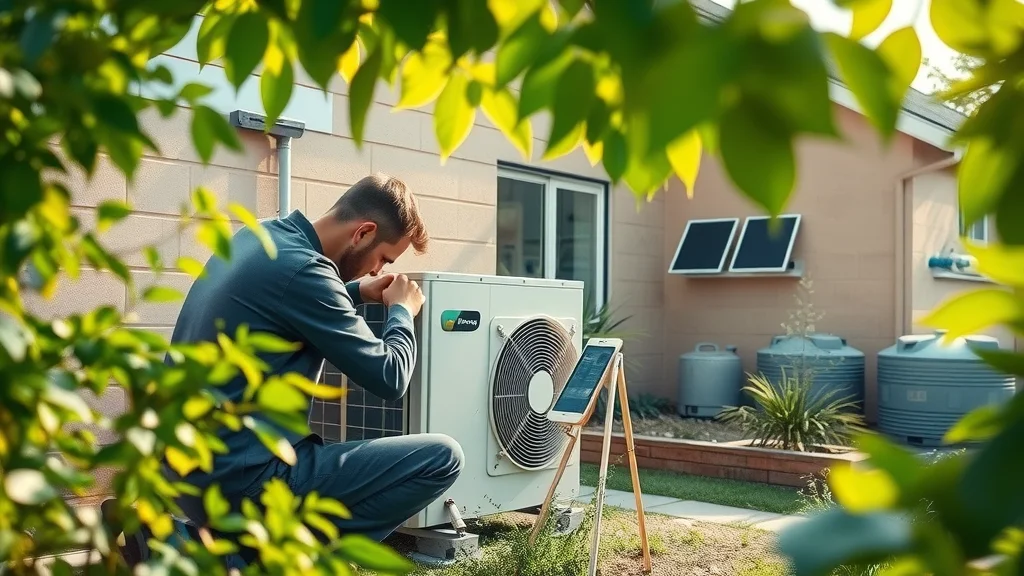
Green building standards and climate regulations have placed sustainability at the core of HVAC innovation. Forward-thinking companies now prioritize energy-efficient heating system and cooling system options, install high-efficiency heat pumps and use environmentally friendly refrigerants across all air conditioning systems. Beyond compliance, they promote LEED and Energy Star certifications and advise customers on holistic upgrades—like solar-ready conditioning system or rainwater cooling boosts—that help cut total energy costs. Field teams trained on green retrofits can offer smart advice that pays back both for the customer and the planet.
- Implementing energy-efficient heating system and cooling system options
- Eco-friendly refrigerants for air conditioning systems
- Promotion of energy-efficiency certifications and green building standards
These initiatives resonate deeply with today’s homeowners and business clients, many of whom prioritize sustainability. The shift gives HVAC companies strong differentiation and taps into rebate programs, tax incentives, and partnerships with green construction projects—creating a win-win for business growth and environmental responsibility.
The Role of Data and Predictive Analytics in Modern HVAC

Data-Driven Maintenance: Predictive Tools for HVAC System Longevity
Harnessing data has transformed how HVAC companies maintain, troubleshoot, and replace equipment. Predictive analytics systems use sensors within ac systems, air conditioners, and heat pumps to send operating data to smart dashboards, allowing hvac technicians and managers to predict breakdowns and optimize performance. This means fewer emergencies, reduced costly downtime, and better planning for both customers and service teams. Instead of waiting for a failure, technicians can proactively replace a struggling air handler or fix airflow issues before they disrupt comfort.
For customers, this translates to higher return on investment from capital-intensive hvac installation, longer equipment lifespans, and lower overall repair costs. For businesses, it means improved scheduling, less unplanned overtime, and smarter allocation of field resources—amplifying profitability and customer satisfaction with every service call.
Customer Insights: Tailoring HVAC Services Based on Usage Patterns
Innovative HVAC providers now analyze how systems are used, factoring in variables such as peak airflow demands, filter clog patterns, or seasonal upgrades. By studying real-world data—from ambient air quality trends to customer-adjusted comfort settings—companies can move beyond generic offerings to curate targeted maintenance schedules and personalized upgrades. This precision approach lets them provide value sooner and often at a lower cost, cementing loyalty and deepening long-term relationships.
Companies leveraging these insights also uncover new revenue opportunities: upselling optimized hvac system controls, recommending green retrofits for older installations, and providing data-backed advice on new energy-saving air system investments. Data isn’t just a management tool—it’s a sales advantage and a powerful foundation for customer trust.
Developing a Skilled Workforce: The HVAC Technician Revolution
Training HVAC Technicians in Advanced Air Conditioning and Heat Pump Technologies

As digital controls and sustainability demands remake the industry, the role of the hvac technician has grown far more sophisticated. Today’s technicians require training in everything from smart sensors and connected thermostats to eco-friendly refrigerants and specialized maintenance procedures for advanced air conditioners and heat pumps. Some companies now partner with tech manufacturers or sponsor ongoing certification programs to keep their teams at the cutting-edge.
In turn, better training pays off for both employee and employer, as highly skilled staff boost first-time fix rates, delight customers, and help lower costs through technological know-how. Tech-savvy hvac professionals are also better equipped to educate clients about options in energy efficiency, indoor air quality, and preventative maintenance packages—driving immediate and future sales.
Workforce Retention: Competitive Salaries, Career Advancement and Certification
In a tight labor market, top HVAC firms recognize that attracting and retaining highly trained staff requires more than basic schooling. Competitive pay, structured career ladders, and support for additional certifications (like those for advanced air filtration, green building standards, or commercial equipment) have become table stakes for those seeking to build loyal and motivated teams. The best in the business now link performance incentives to service quality and invest in leadership programs to keep promising technicians engaged.
Workforce investments not only prevent skill shortages but also enhance a company’s reputation in both the customer and employment markets. As top talent develops, so does a culture of innovation and readiness, ensuring clients receive best-in-class advice and support at every service step.
Case Studies: HVAC Companies Leading the Way in Innovation
Real-World Examples of Transformative HVAC Company Business Models

- Company A: Subscription-based maintenance plans for air conditioning and ventilation systems, allowing clients to spread costs and enjoy priority diagnostics and upgrades.
- Company B: Smart indoor air quality management platforms using integrated IoT devices to monitor airborne particulates, automate filter changes, and signal HVAC service needs proactively.
- Company C: Specialized in green hvac system installation and consulting, helping homeowners and builders design energy-efficient new builds featuring smart thermostats and renewable-ready conditioning systems.
These trailblazers demonstrate that shifting from transactional repairs to data-driven, customer-centric solutions can deliver steady growth, higher customer satisfaction, and real market differentiation.
Financial Performance: How Innovation Boosts HVAC Revenue
ROI of Smart HVAC Systems and Subscription-Based Services
The move to modern, technology-enabled business models delivers measurable financial benefits. Smart hvac systems give companies access to recurring revenue streams, while subscription-based care—covering regular filter changes, remote system checks, and proactive repairs—locks in ongoing income and creates upsell potential with every interaction. Analytics-backed sales allow tighter targeting, boosting conversion rates and customer lifetime value.
Innovative firms also leverage cross-sell opportunities for air quality add-ons, smart home integrations, or eco-upgrades, expanding revenue without raising acquisition costs. Ultimately, the financial gap between traditional and modern HVAC companies continues to widen, with tech leaders capturing loyalty—and premium margins.
| Model Type | Avg. Revenue/Customer | Customer Lifetime Value | Upselling Opportunities |
|---|---|---|---|
| Traditional | $350 - $1,200 | Low to Moderate | Few (basic upgrades, repairs) |
| Innovative | $1,200 - $3,500+ | High (subscriptions, bundled services) | Many (IoT, air quality, smart home, energy audits) |
People Also Ask: Can HVAC Make $100,000 a Year?
Exploring Salary Potential for HVAC Technicians and Business Owners
HVAC technicians and business owners can indeed make upwards of $100,000 a year, especially in high-demand markets or with specialized skills in advanced systems, green retrofits, or commercial projects. Wages for skilled field techs typically range between $50,000 and $80,000, but experienced senior technicians, lead installers, or those with management and specialized certifications can surpass the $100,000 threshold. Additionally, HVAC business owners, especially those adopting modern, recurring revenue models and offering value-added solutions, often see their earnings grow well beyond six figures thanks to higher margins, scalable services, and premium consulting.
People Also Ask: What is the $5000 Rule for HVAC?
A Practical Guide to the $5000 Rule in HVAC Replacement Decisions
The $5000 rule is a commonly used guide for deciding whether to repair or replace an HVAC system. It’s calculated by multiplying the age of the equipment by the projected repair cost; if the result exceeds $5,000, replacement is often more cost-effective. For example, a 10-year-old air conditioner needing a $600 repair (10 x $600 = $6,000) suggests replacement, especially if newer systems offer better energy efficiency, warranties, and reliability. This rule is widely embraced by hvac professionals to help customers make informed, financially sound choices and often reveals the long-term savings modern systems can deliver in utility costs and comfort.
People Also Ask: Do HVAC Make Money?
Profitability Factors for Modern HVAC Businesses
HVAC companies historically generate strong revenues, with profitability closely tied to operational efficiency, service differentiation, and ability to build long-term customer relationships. Businesses that embrace innovative technologies, data-driven maintenance, and recurring subscription services tend to achieve higher margins and greater customer retention. Profitability is also boosted by diversification into indoor air quality, smart controls, and green certifications, helping companies upsell and cross-sell with lower acquisition costs. In today’s tech-driven climate, agility in adopting new business models is a direct path to sustainable profits.
People Also Ask: How Much Do HVAC Techs Make in WV?
State-Specific HVAC Salary Data: West Virginia
In West Virginia, the average salary for HVAC technicians is about $45,000 to $56,000 per year, with top earners and those with advanced certifications (such as energy efficiency or high-efficiency equipment expertise) reaching $62,000 or more. Salaries can vary depending on experience, specialization, employer, and region, with larger cities and complex commercial projects offering higher pay. Investing in continued education and earning additional licenses can significantly boost income potential for HVAC professionals operating in WV and beyond.
FAQs: Navigating Innovation in HVAC
What are the top hvac trends in 2024?
Top trends include adoption of IoT-connected hvac systems, focus on air quality and energy efficiency, sustainable refrigerants, and flat-rate subscription models for service and maintenance. Innovation in green building integration and data-driven predictive maintenance are also rapidly reshaping the market.
How do new hvac technologies impact air quality and energy efficiency?
Advanced air conditioning systems and smart controls optimize both airflow and temperature in real-time, significantly improving indoor air quality and maximizing energy efficiency. Integrated monitors detect contaminants, automate filter changes, and enable system tuning, leading to healthier environments and lower utility bills.
Is it worth upgrading to smart HVAC systems?
Absolutely. Upgrading to smart systems offers more comfort, energy savings, and convenience. Remote control, predictive maintenance, and streamlined service requests keep systems running efficiently, reduce emergency breakdowns, and extend equipment lifespans, delivering tangible value over time.
Key Takeaways: The Future of HVAC Innovation
- HVAC companies must embrace change to remain competitive
- Customer expectations are driving advances in air quality, energy efficiency, and service models
- Data-driven, tech-enabled services are reshaping the industry
- Skilled HVAC technicians are central to sustained innovation
Looking Ahead: Staying Ahead in the Evolving HVAC Industry
"Continuous adaptation and innovative thinking in hvac is not just a trend—it’s a business imperative for the decade ahead."
HVAC innovation is accelerating—and those who combine technology, sustainability, and customer-first models will not just survive, but lead the next generation of heating, ventilation, and air conditioning.
Explore Our Insights and Get Expert HVAC Advice for Your Business
Want to future-proof your HVAC company, upgrade your systems, or learn about the latest industry breakthroughs? Contact our team for a personalized consultation and unlock next-level performance today.
Animated explainer: The evolution of HVAC business models, highlighting traditional and innovative practices, IoT integration, and sustainability trends. (No voiceover, background music only)
Sources
- Example Site – https://www.grandviewresearch.com/industry-analysis/heating-ventilation-air-conditioning-hvac-market-size
- Example Site – https://www.energy.gov/energysaver/heating-cooling
- Example Site – https://www.epa.gov/indoor-air-quality-iaq/iaq-and-hvac
- Example Site – https://www.bls.gov/oes/current/oes499021.htm
- Example Site – https://www.achrnews.com/articles/146247-how-hvac-businesses-are-modernizing-their-business-models
To enhance your understanding of HVAC systems and their components, consider exploring the following resources:
-
“HVAC | System, Description, & Facts”: This comprehensive article from Britannica provides an in-depth look at HVAC systems, detailing their functions, history, and significance in various settings. (britannica.com)
-
“Heating, Ventilation & Air Conditioning (HVAC)”: Offered by ENERGY STAR, this resource outlines energy-efficient practices and guidelines for HVAC systems, helping you understand how to optimize performance and reduce energy consumption. (energystar.gov)
These resources will provide you with valuable insights into HVAC systems, their components, and best practices for energy efficiency.


Write A Comment