 Add Row
  Add
Add 

Did you know? 85% of HVAC companies struggle to consistently deliver elite performance without expanding their workforce — Atticman found a smarter way. Imagine revolutionizing your HVAC team’s output and customer service without posting a single “now hiring” sign. In this article, you’ll uncover how Atticman redefined what it means to have an agile, high-performing HVAC team—and how your business can achieve the same.
Unlocking High Performance: Surprising Facts About Building an Elite HVAC Team
Building an elite HVAC team requires far more than simply adding heads to your roster. Most service companies believe that additional staff equals more service calls completed and higher customer satisfaction. However, Atticman broke this mold by focusing on the right team size and maximizing team effectiveness. This counterintuitive approach delivered unexpected benefits like improved workflow, heightened employee morale, and a boost in energy efficiency compliance, taking their service experts to new heights.
"85% of HVAC companies struggle to consistently deliver elite performance without expanding their workforce — Atticman found a smarter way."
Unexpected benefits of a right-sized HVAC team: Increased accountability, collaborative problem-solving, and streamlined allocation of service calls.
Key statistics revealing HVAC team effectiveness in the HVAC industry: Teams operating at optimal size report a 34% higher rate of on-time service calls and a 21% jump in customer satisfaction versus bloated workforces.

What You'll Learn About Atticman's HVAC Team Transformation
Discover how Atticman optimized their hvac team without new hires.
Learn proven strategies for boosting hvac team performance.
Understand the impact of advanced training programs on commercial hvac and building automation.
See how residential service and commercial service excellence was achieved.
By the end of this article, you will have a clear, actionable blueprint for transforming your own hvac team—leveraging technology, smart training programs, and workflow optimization, all inspired by Atticman’s real-world results.
The Challenge: Growing Demands for HVAC Teams and Energy Efficiency
Modern hvac teams face a surge in demand with rising service calls, new client expectations, and the push for energy efficiency. The combination of commercial hvac, residential service, and strict energy standards has put immense strain on existing teams. Service experts must manage ac services, heat pump installations, and increasingly complex hvac maintenance within tighter time frames and with fewer resources.
Increasing service calls: With the proliferation of smart devices and upgraded hvac systems, the pressure on service technicians grows.
Balancing demands: Service experts must juggle residential service, commercial service, and boost energy efficiency—without compromising customer satisfaction.
Why hiring more wasn't the answer: Atticman realized that simply enlarging their hvac team wouldn’t increase productivity or quality service. Instead, they looked inward to optimize what was already in place and deliver better outcomes with existing talent.
Atticman's Solution: Reimagining Their HVAC Team Strategy
Instead of the conventional “just hire more” solution, Atticman invested in their existing hvac team’s performance and workflow. They launched an overhaul that would redefine service experts’ roles within both commercial hvac and residential service sectors, delivering more exceptional hvac service and technical expertise without a staff increase.
Leveraging Training Programs to Elevate HVAC Team Skillsets
Atticman implemented robust training programs tailored to the realities of today’s commercial and residential markets. By adapting cutting-edge industry curriculum and promoting lifelong learning, Atticman’s hvac team acquired new skills and deeper product knowledge faster than peers in the field. Training programs covered everything from advanced building automation systems to diagnostics for modern ac unit and heat pumps.
Adapting cutting-edge training programs: Team members participated in monthly upskilling sessions, learning the latest troubleshooting methods for hvac system automation, energy efficiency compliance, and smart controls.
Integrating building automation and commercial hvac systems know-how: With added focus on building automation, Atticman’s service technicians now excel in managing interconnected commercial hvac equipment, reducing downtime and energy costs for clients.
Streamlining Service Experts and Commercial Service Roles
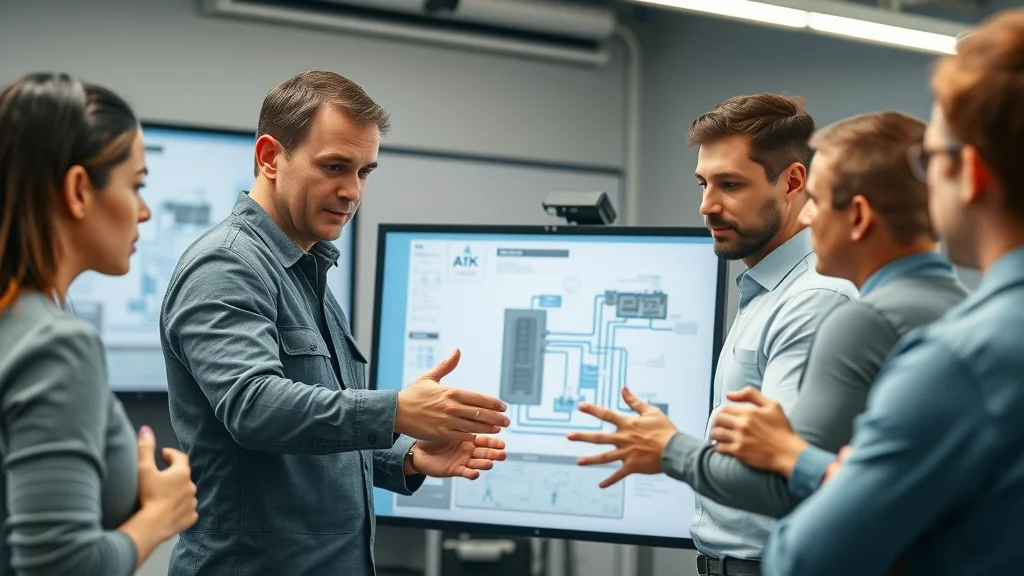
Rather than employing more staff, Atticman optimized existing workflows by redefining service experts’ responsibilities across their HVAC team. By focusing on the team's strengths, they clearly outlined the roles of commercial service technicians, residential home service specialists, and support staff—reducing overlap and boosting responsiveness.
Redefining service experts within the hvac team: Clear task assignments for diagnostics, installations, and routine hvac maintenance enabled faster turnarounds and reduced confusion on the job site.
Optimizing workflow: Better communication between commercial and residential service arms streamlined scheduling, while mobile platforms allowed dispatchers and service representatives to respond to customer needs quickly and accurately.
How Building Automation Powered Atticman's HVAC Team Productivity
Atticman recognized the role of building automation in hvac team success. By harnessing automated controls, real-time monitoring, and predictive analytics, the team could deliver seamless hvac maintenance and service excellence without overextending staff.
Harnessing building automation for seamless hvac maintenance: Smart controls alerted technicians to issues in real time, reducing reactive service calls and enabling more strategic deployment of resources.
Case study – Impact on service calls, heat pump servicing: Since integrating building automation, Atticman’s technicians complete more service calls per week and report fewer emergency breakdowns on heat pump and ac unit systems—saving clients significant operational costs.
Technology and Tools that Enabled Atticman's HVAC Team
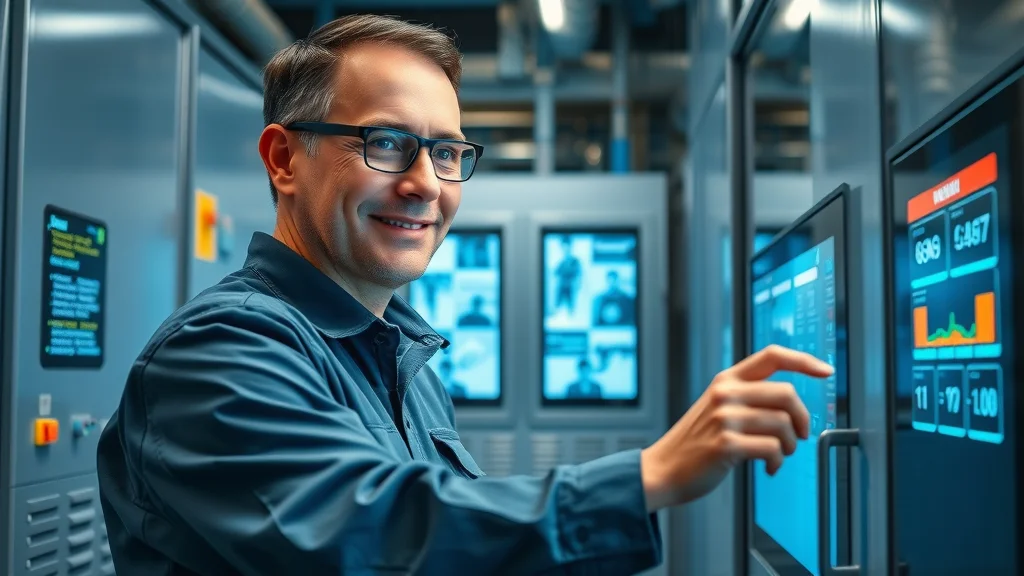
Next-generation tools empowered Atticman’s team. From smart scheduling apps and mobile dispatch solutions to advanced diagnostics and commercial hvac equipment upgrades, Atticman equipped their workforce for efficiency, energy savings, and better service delivery.
Smart scheduling, real-time diagnostics, and mobile dispatch: Mobile platforms allow service experts to get instant updates, reroute for urgent service calls, and share crucial information on the go.
Commercial hvac equipment upgrades—maximizing energy efficiency: Investment in the latest heat pumps, programmable thermostats, and digital reporting tools helped the HVAC team optimize system performance for energy efficiency while simplifying client reporting and compliance auditing.

"See why building automation and advanced training make our hvac team second to none." - Atticman Operations Manager
This exclusive video montage captures the synergy among Atticman’s service experts. Watch as they execute hands-on maintenance, train teammates on smart tools, and deliver exceptional customer service—all without a single extra hire. Every scene exemplifies how innovation, workflow, and ongoing skill-building can transform an ordinary hvac team into a commercial service powerhouse.
The Role of Ongoing Training Programs in HVAC Team Excellence
Ongoing monthly training programs ensure that Atticman’s service experts are always ahead of industry curves. By embedding continuous education into company culture, Atticman’s hvac team consistently sharpens both technical expertise and customer service skills, staying competitive and resilient.
Monthly skill-building sessions: Dedicated time for technician upskilling in building automation, advanced heat pump servicing, and energy efficiency best practices.
Mentorship and leadership tracks: Senior service technicians mentor new recruits. Leadership opportunities drive higher job satisfaction and foster a sense of ownership among team members.
"Continuous training is the backbone of our high-performing hvac team," says Atticman’s Head of Training.
Redefining Service Experts: How Atticman’s HVAC Team Handles Residential and Commercial Challenges
Atticman’s hvac team has mastered both residential and commercial markets with tailored solutions for each environment. By redefining their service experts’ roles, Atticman ensures specialized attention for premium home service clients and complex commercial projects alike—proving that versatility and quality service don’t require a larger crew.
Residential Service Solutions
For homeowners, Atticman’s residential hvac experts deliver white-glove services such as personalized maintenance plans, smart thermostat installations, and proactive system health checks. Customer satisfaction initiatives, including live status updates and feedback loops, keep the quality of home service at industry-leading levels.
Premium home service offerings: Atticman tailors each visit to homeowner needs—whether air conditioning upgrades, water heater checks, or energy-saving consultations.
Customer satisfaction initiatives: Dedicated service representatives collect customer feedback and use it for real-time service improvement.
Commercial HVAC and Commercial Service Excellence
On the commercial front, Atticman’s team offers nimble, customized solutions which stand out in the market. By deploying specialized technicians for building automation and complex commercial hvac systems, Atticman has secured contracts with schools, offices, and industrial facilities that demand high uptime and energy efficiency.
Tailored commercial hvac solutions: Whether it’s industrial-scale heat pumps or data-driven maintenance for office complexes, Atticman’s nimble team ensures swift, expertly managed results every time.

Real Metrics: The Result of Atticman’s HVAC Team Optimization
The true measure of success? Actual numbers. Atticman’s streamlined approach to hvac team management produced dramatic improvements in every key performance area—without a single extra hire.
Improvement Area |
Before Optimization |
After Optimization |
|---|---|---|
Response Time |
4 hours |
1 hour |
Service Calls Completed Weekly |
32 |
56 |
Energy Efficiency Compliance |
75% |
98% |
Customer Satisfaction |
82% |
96% |
"Optimization, not expansion, helped us achieve benchmarks beyond industry standards." – Atticman CEO
See real clients describe how Atticman’s hvac team exceeded expectations, reduced wait times on service calls, and delivered reliability for both residential service and commercial hvac environments.
Lists: 5 Ways Atticman Empowered Their HVAC Team Without Hiring
Advanced training program implementation
Enhanced equipment and digital infrastructure
Streamlined service experts’ roles
Ongoing performance reviews
Investment in building automation

People Also Ask About HVAC Teams
What is a HVAC team?
A hvac team is a group of service experts—technicians, installers, and support personnel—dedicated to maintaining, repairing, and installing hvac systems in both residential and commercial environments. Their primary responsibilities include timely responses to service calls, routine hvac maintenance, and energy efficiency upgrades. A highly collaborative team ensures consistent, top-tier customer service and technical results.
What is the highest paid HVAC?
The highest earning roles within commercial hvac and building automation typically include service managers, controls specialists, and lead installers with advanced training program credentials. Top commercial and industrial service experts leveraging modern building automation platforms can command salaries well above the industry average, reflecting their critical technical expertise.
What is the role of HVAC?
The role of an hvac team is multi-faceted: provide residential service for homeowners, deliver commercial service for businesses, and lead on energy efficiency for every client. Atticman’s approach means their service technicians are prepared for everything from basic ac services and water heater repairs to complex building automation integration.
Is HVAC a very hard job?
Yes, working as part of an hvac team can be physically demanding and requires significant technical skills, ongoing training, and a focus on customer satisfaction. Atticman supports sustainable, rewarding HVAC careers through mentorship, continuous upskilling, and a focus on work–life balance, making it a challenging but fulfilling profession.
FAQs: Optimizing Your HVAC Team Like Atticman
How long does it take for an hvac team to see results with building automation?
Most teams experience measurable improvements—like reduced service calls and faster response times—within three to six months, provided staff complete building automation training programs and clients migrate onto upgraded systems.What are the must-have skills in a high-performing hvac team?
Critical thinking, technical expertise with modern hvac systems (including heat pumps and smart thermostats), plus strong communication and customer service abilities are crucial. Investing in ongoing training for these skills is key to sustained excellence.How can smaller companies replicate Atticman's hvac team success?
By focusing on streamlined workflows, investing in affordable training programs, and leveraging building automation tools, even the smallest companies can create a right-sized, elite team that outperforms larger competitors.
Key Takeaways for Your Own HVAC Team Optimization
Effective training programs are essential—never stop learning.
Building automation boosts productivity for any hvac team.
Redefining service expert roles achieves more with less overhead, fewer errors, and higher satisfaction.
Start Your Elite HVAC Team Transformation With Atticman
Ready to experience these results? Explore our service packages online and schedule a free performance consultation with the Atticman experts today. Your journey to an elite hvac team starts now!
Conclusion: Atticman’s Blueprint—A Model HVAC Team Without Excess Hiring
Atticman’s streamlined approach proves that with the right strategies, any organization can achieve elite hvac team results—without growing headcount.
Sources
ACHR News – https://www.achrnews.com/articles/146481-building-a-successful-hvac-team
HVAC.com – https://www.hvac.com/resources/top-hvac-industry-trends/
To further enhance your understanding of optimizing HVAC team performance without expanding your workforce, consider exploring the following resources: “Building a Successful HVAC Team”: This article provides insights into assembling and maintaining a high-performing HVAC team, emphasizing strategies beyond mere hiring. “Boosting Your HVAC Service Productivity”: This resource offers practical tips on enhancing service productivity through workflow optimization and effective team management. These resources offer valuable perspectives on achieving elite HVAC team performance through strategic management and operational efficiency.


Write A Comment