 Add Row
  Add
Add 

Did you know? The global HVAC market is predicted to surge to over $367 billion by 2030, rapidly outpacing other construction-related sectors. If you’re considering launching, scaling, or improving your HVAC business, now is the time to ride this unprecedented wave of growth. This comprehensive guide will equip you with practical strategies and industry insider knowledge to build a successful HVAC enterprise—from startup essentials to next-level scaling tactics.
A Startling Fact: The Unprecedented Growth of the HVAC Sector
Few industries are growing as rapidly as HVAC. Fueled by global demand for indoor comfort, clean air, and energy efficiency solutions, the HVAC sector is accelerating faster than ever before. In the United States alone, the shift toward energy-saving systems, smart homes, and heightened indoor air quality expectations has triggered double-digit growth year over year. New residential and commercial developments, alongside the necessity to upgrade aging infrastructure, create an expanding pool of opportunities for ambitious HVAC professionals.
Industry analysts point to HVAC’s future-proof status due to increasing regulations on air quality, energy efficiency standards, and the heightened role of technology. There’s little doubt: businesses ready to adapt, specialize, and innovate will find the HVAC industry a lucrative arena—full of new markets, customer needs, and evolving product lines, including heat pumps, smart thermostats, and advanced ventilation systems.

What You'll Learn About HVAC Business Growth
- The essentials of the HVAC market and what’s fueling its growth
- Actionable HVAC marketing strategies for new and established businesses
- How to scale operations and deliver outstanding HVAC service
- Steps to ensure legal compliance, safety, and best-in-class technician training
- Financial management, smart pricing, and profit optimization tips
Understanding the HVAC Landscape: Market Trends & Opportunities
The hvac market is evolving quickly, echoing shifts in technology and consumer preferences. Key trends include the widespread adoption of smart HVAC systems, increasing demand for energy-efficient air conditioning and heating solutions, and a focus on indoor air quality due to recent health and environmental concerns. For HVAC businesses, these trends present unique opportunities to differentiate services, win new customers, and expand into lucrative niches—like green energy solutions and IoT integration.
Below is a snapshot of projected market growth across HVAC, air conditioning, and conditioning system segments. These insights will help HVAC professionals anticipate demand and tailor their offerings for maximum impact.
| Segment | 2023 Value (Billion USD) | 2030 Projection (Billion USD) | Growth Rate |
|---|---|---|---|
| HVAC Industry | ~230 | 367+ | +7% CAGR |
| Air Conditioning Systems | 110 | 180 | +6% CAGR |
| Conditioning Systems | 95 | 155 | +7.2% CAGR |

Building the Foundation: Essential Steps to Start or Expand Your HVAC Business
Whether you’re launching a new operation or scaling your existing hvac business, a solid foundation is non-negotiable. This means obtaining proper licensing, investing in ongoing technician certification, adopting best practices for safety and compliance, and developing a keen eye for ever-changing local regulations. By getting the basics right from the outset, you’ll safeguard your company—and lay the groundwork for consistent, sustainable growth.
Beyond the paperwork, success in the hvac industry depends on your commitment to training, transparency, and legal compliance. Ensuring your HVAC technicians are up-to-date on certifications and your business meets all regulatory requirements will differentiate you as a trustworthy partner for residential and commercial clients alike.
Licensing, Certification & HVAC Technician Qualifications
Competent, qualified technicians are the backbone of any successful HVAC operation. In many regions, HVAC professionals must hold valid certifications covering systems such as air conditioning, heat pumps, air handlers, and ventilation systems. Some U.S. states require Environmental Protection Agency (EPA) Section 608 certification for those handling refrigerants, while local licensing boards may enforce additional benchmarks for work on ac units and heating systems.
Ongoing education is vital. As technology advances, so does the complexity of modern hvac systems, requiring up-to-date training on smart devices, energy efficiency standards, and health-related air quality improvements. By providing pathways for technician advancement and showcasing your certifications to customers, your business builds a reputation for expertise, compliance, and exceptional service delivery.

Legal and Safety Considerations for HVAC Operations
Operating a legally sound hvac business means more than following the rules—it’s a commitment to safety and professional integrity. Start with robust insurance coverage, including liability insurance to protect both your team and your clients. All operations must follow OSHA workplace safety standards and relevant building codes for the proper installation and servicing of HVAC, air conditioning, and ventilation systems.
Document your compliance measures and train your HVAC technicians on the latest local and federal requirements, such as safe refrigerant handling and proper disposal. Regular audits, strong safety protocols, and ongoing communication minimize risk and build long-term trust with your customer base.
Mastering HVAC Services: Offering the Right Solutions
Delivering exceptional results begins with offering a full range of hvac solutions. The more you can distinguish between different systems—such as air conditioning units, heat pumps, and ventilation solutions—the better positioned you’ll be to serve both residential clients and larger commercial contracts.
Customers increasingly expect HVAC businesses to provide advice on energy efficiency and indoor air quality, not just the basics of heating and cooling. By diversifying your service offerings and continually expanding your expertise, you’ll ensure your company remains relevant, competitive, and highly valued in a changing marketplace.
Types of HVAC Systems: Heating, Air Conditioning, and Ventilation
At its core, hvac stands for heating, ventilation, and air conditioning. Modern hvac systems are designed to manage all aspects of a building’s climate, from temperature regulation (with heating and cooling systems) to improving indoor air quality (with mechanical ventilation and advanced air filtration). Residential homes may use central air conditioning, ductless mini-splits, or furnaces, while commercial properties often require complex rooftop ac units, heat pumps, and integrated ventilation systems.
Understanding the differences—and communicating these clearly to clients—lets you tailor solutions for energy efficiency, comfort, and health. Be prepared to advise on upgrades, like switching from older ac systems to energy-star certified heat pumps or installing air handlers for improved airflow. This expertise sets your business apart and ensures customer satisfaction at every job.
- Central HVAC systems
- Split air conditioning units
- Heat pumps and hybrid systems
- Mechanical and ERV/HRV ventilation systems
- Ductless mini-splits and zoned cooling systems
Specializing in Indoor Air Quality and Energy Efficiency
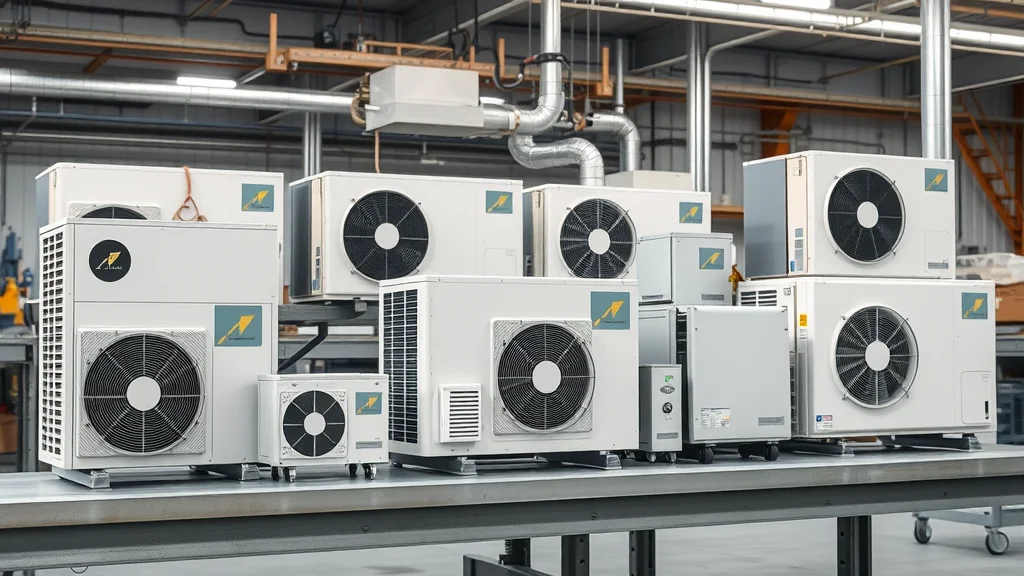
With consumer attention sharply focused on health and wellness, hvac businesses have a unique opportunity to stand out by offering solutions for superior indoor air quality and enhanced energy efficiency. Advanced air handling units, HEPA filtration, and humidity management not only improve air quality but give you a competitive edge, especially in new construction projects and renovations.
Prioritize continuing education on energy-efficient technologies and communicate the benefits of these systems to your customers. Developing expertise in areas like smart thermostats, programmable controls, and variable-speed compressors will help homeowners and facility managers maximize comfort while reducing costs—a win for both your clients and your bottom line.
HVAC Marketing: Proven Strategies to Acquire and Retain Customers
Success in the hvac industry isn’t just about technical knowhow; it’s about visibility and reputation. The shift to digital means that most residential and commercial clients will search online for hvac systems, air conditioning services, and solutions to indoor air quality challenges. Investing in digital marketing—from building a strong website to online reviews—can set you apart from competitors and make customer acquisition more cost-effective than ever.
Retaining clients is just as important as acquiring new ones. Develop strong follow-up strategies, loyalty programs, and referral incentives that reward satisfied customers for spreading the word about your HVAC business.
Digital Presence: Websites, SEO, and Online Reviews
For hvac businesses and air conditioning contractors, ranking in Google search results is crucial. Start with a mobile-friendly, content-rich website that showcases your services, certifications, and positive customer reviews. Focus on strategic keywords—like “hvac technician near me” or “best air conditioning system installer”—to increase organic website traffic and attract qualified leads.
Encourage satisfied clients to leave reviews on trusted platforms such as Google and Yelp. Credible, consistently high reviews boost your reputation and can drive up local search rankings. Consider producing before-and-after case studies, service explainer videos, and blog posts that highlight your expertise in heating, cooling, and indoor air quality.
- Optimize content for “hvac”, “air conditioning”, and “indoor air quality” keywords
- Use strong calls-to-action to convert website visitors into leads
- Encourage and display reviews to build social proof

Local Campaigns: Targeting Residential and Commercial Clients
Localized marketing brings your HVAC services to the forefront for nearby homeowners and businesses. By focusing on your neighborhood or city—using Google My Business, local online ads, and community sponsorship—you ensure your business appears when clients search for “hvac systems near me” or “heating and air repair.”
Reputation management is key: maintain up-to-date business listings, respond promptly to reviews, and network through local trade and business groups. Well-targeted paid ads, such as Google Local Services ads, can bring in immediate leads for air conditioning repairs, heating upgrades, and indoor air quality consultations.
- Claim and optimize your Google business profile
- Create local landing pages for each city or service area
- Set up targeted paid search and social media campaigns
- Encourage consistent reviews from local customers
- Partner with nearby builders, realtors, and property managers
Financial Planning: Maximizing Profit and Managing Growth in the HVAC Business
Beyond technical skill and strong marketing, financial strategy is pivotal. Knowing how to price hvac services competitively, control expenses, and project future revenue gives your business the flexibility to scale up and weather market fluctuations. Whether you specialize in air conditioning systems, heating system installations, or year-round service contracts, accurate cost analysis and intelligent budgeting will help ensure profitability from the first job to the hundredth.
Understand your overhead—think equipment, labor costs, fleet maintenance, insurance, and marketing spend. Then, structure your pricing to ensure healthy margins and lasting sustainability in a competitive market.
Setting Prices for HVAC Services, Air Conditioning, and Conditioning Systems
Pricing is an art and a science. Top performing hvac businesses benchmark their labor rates and equipment markups against competitors while accounting for hidden costs and ongoing investments in training and technology. Transparent, value-driven pricing attracts loyal customers and allows your business to be flexible in both slow and busy seasons.
Consider offering maintenance contracts and seasonal tune-ups alongside one-off installations and repairs. These recurring service options drive predictable revenue and can serve as entry points for upselling advanced systems, air handler upgrades, or energy efficiency retrofits.
| Service | Basic National Average | Advanced/Upgraded System |
|---|---|---|
| Air Conditioning System Install | $4,500–$8,000 | $6,000–$12,000 |
| Heating System (Furnace) Install | $3,500–$7,500 | $5,000–$10,000 |
| Heat Pump Install | $5,000–$9,000 | $7,500–$14,000 |
| Annual Service Contract | $150–$500 | $250–$750 |
Understanding the $5000 Rule and HVAC Revenue Models
One rule of thumb in the hvac industry is the “$5000 rule”: If the cost of an HVAC repair approaches $5,000, it’s usually more economical for customers to replace the unit with a modern, higher efficiency system. Savvy contractors use this guideline to educate clients and provide clear, honest recommendations that build trust—while also driving larger ticket sales and efficiency upgrades.
Revenue models for HVAC businesses often blend new system installs, recurring maintenance contracts, quick-turn emergency repairs, and the sale of accessories like air filtration, smart controls, and energy management devices. By balancing high-ticket installs with recurring service revenue, HVAC business owners create more predictable cash flow while capturing increased market share.

Expenses, Margins, and Scaling Up
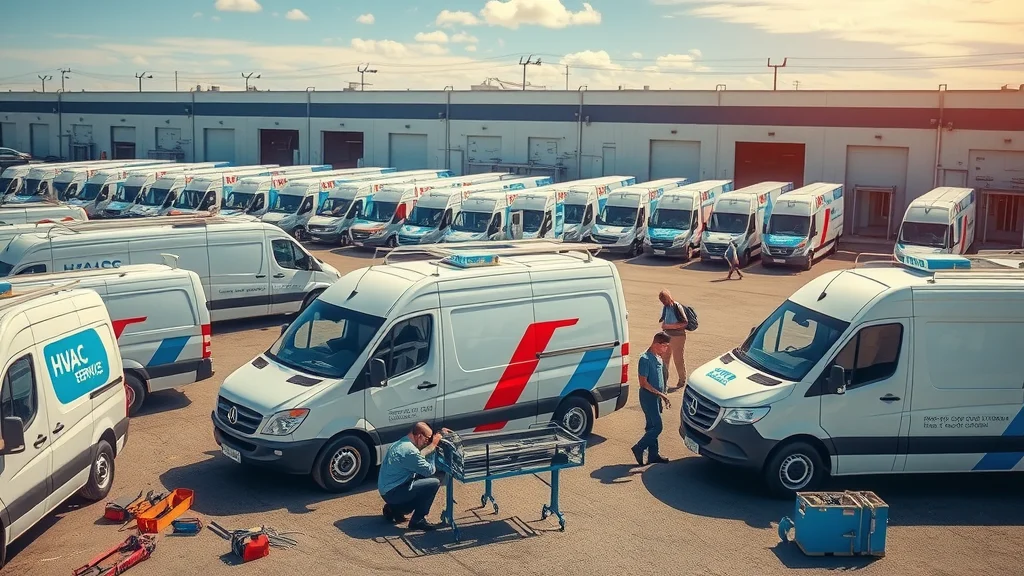
As you scale, managing margins becomes even more important. Major expenses for hvac businesses include fleet (vans and trucks), equipment (ac units, heat pumps, sheet metal), payroll for technicians and office staff, and growing marketing costs. Tracking these expenses closely—while regularly reviewing markups, discounts, and operational workflows—helps keep your business in the black, even when faced with seasonality or economic shifts.
Automation and software investments can also boost profitability. Service scheduling tools, GPS fleet tracking, and digital invoicing streamline daily operations and free up cash for reinvestment. Focus on efficiency but never compromise on quality—for every dollar saved, set aside a portion for technician training, customer service improvements, and strategic marketing initiatives.
- Equipment upgrades and replacement
- Skilled labor and technician training
- Service vehicle purchase, maintenance, and branding
- Targeted marketing and online advertising
Operational Excellence in the HVAC Industry
Building a thriving hvac business means striving for operational excellence day after day. This is achieved through meticulous hiring and training practices, seamless service delivery, and a relentless pursuit of safety and quality assurance. When your team runs like a well-oiled machine—pun intended—clients will notice the difference in both speed and professionalism.
Invest in your technicians. High employee satisfaction leads to better customer experiences, fewer callbacks, and stronger word-of-mouth. Lean into technology to support operations, monitor performance, and keep everyone aligned on goals and best practices.
Hiring, Training & Retaining Skilled HVAC Technicians
Finding and keeping qualified hvac technicians is one of the biggest challenges facing contractors today. Start by offering competitive pay, clear growth paths, and a supportive work environment. Training should go beyond the technical: focus on customer communication, digital tools, and evolving trends in indoor air quality and energy efficiency. Mentorship programs and regular skills workshops keep your team sharp and loyal.
Retention is closely tied to culture. Recognize outstanding work, celebrate milestones, and involve your employees in decision-making. When your team feels valued and empowered, they’ll deliver the kind of superior service that turns first-time customers into lifelong clients.
- Advertise job openings on industry-specific platforms
- Screen for both technical proficiency and soft skills
- Provide regular training on HVAC systems, safety, and new technologies
- Develop mentorship and career advancement programs
- Foster a positive, inclusive work environment

Streamlining Service Delivery: Tools, Software, and Customer Care
Speed and accuracy drive customer satisfaction. Equip your team with digital scheduling apps, field service software, and GPS tracking to streamline dispatch and cut down on wasted time. Investing in the right tools not only boosts productivity—it also elevates your perceived professionalism and reliability with clients.
Great customer service is the heart of any successful hvac business. Train your staff to communicate clearly, provide timely updates, and handle complaints with care. Personalized follow-ups and rapid issue resolution turn routine installations into lasting relationships and more referrals.
Safety, Compliance, and Quality Assurance
Adhering to codes and safety regulations isn’t optional; it’s foundational to your company’s longevity. All installations—whether ac units, air handlers, or full ventilation systems—must meet or exceed local and national standards. Regularly review your quality assurance processes, conduct safety drills, and invest in ongoing compliance training for every technician.
Documenting your work with checklists, before-and-after photos, and customer sign-off builds transparency and trust. High standards don’t just protect your business—they’re the source of your sterling reputation in the community.
- Verify all installations meet local and national building codes
- Schedule routine safety training and compliance reviews
- Utilize quality assurance checklists and document service visits
- Address issues promptly and always follow up with customers
Leveraging Technology: Innovative Solutions for Growing Your HVAC Business
Technology isn’t just a tool—it’s a strategic advantage. As smart hvac systems and connected home devices become mainstream, successful HVAC companies are positioning themselves as experts in high-tech solutions. This doesn’t just mean installing new gadgets: it means advising clients, integrating old and new technologies, and using data to optimize performance for comfort, efficiency, and lower utility costs.
Embracing green technologies and air filtration options is another area with huge upside. As regulations change and consumer preferences shift, being the go-to for eco-friendly upgrades can mean long-term, recurring business.
Smart HVAC Systems, IoT Integration, and Energy Efficiency
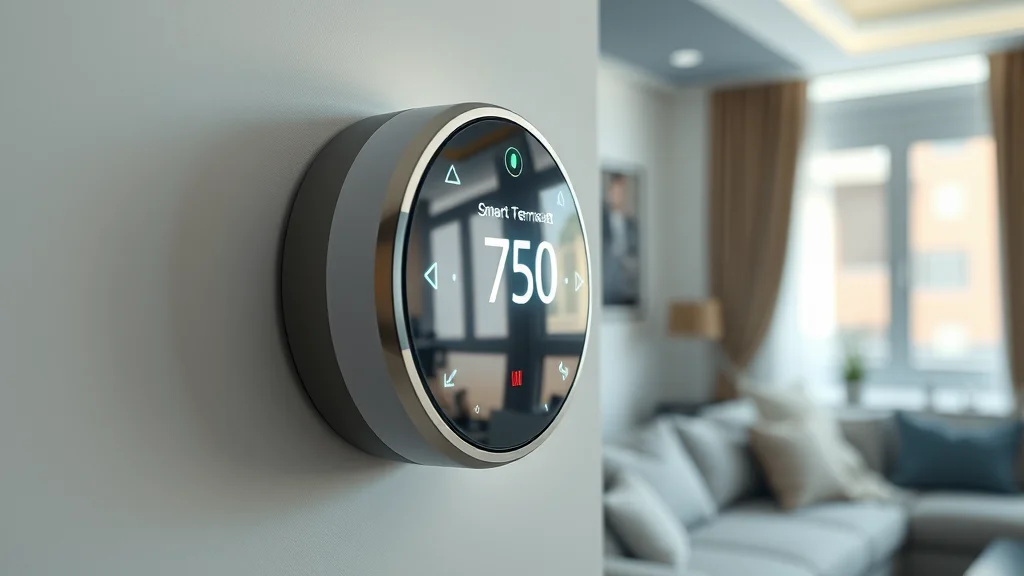
Smart thermostats and IoT devices have transformed the way people manage their home’s heating and air conditioning. Today’s customers expect app-based climate control, remote diagnostics, and energy usage optimization. As an HVAC expert, offer seamless installation and support for these high-tech systems—helping clients cut their bills and improve indoor air quality in the process.
Energy efficiency isn’t just a trend—it’s a long-term business opportunity. Introduce clients to variable-speed compressors, programmable thermostats, and ultra-high-efficiency ac systems. Training your team on these solutions ensures your business remains competitive, captures energy rebate opportunities, and upholds strong margins on new installations.
Green Initiatives and Indoor Air Quality Improvements
Sustainability sells. Many homeowners and businesses are actively seeking ways to lower their carbon footprint through greener HVAC solutions. This includes promoting environmentally friendly refrigerants, high-efficiency heat pumps, and advanced air purification systems. Installing and maintaining these next-generation technologies demonstrates your business’s commitment to both indoor air quality and the environment.
Simple steps—like specifying low-emission HVAC systems, recommending proper ventilation upgrades, and educating clients on routine filter changes—will set you apart in a crowded market and build goodwill in your community.
- Advise on smart air filtration systems and indoor air quality monitors
- Recommend and install high-efficiency heat pumps and AC equipment
- Educate clients on routine maintenance for energy savings
- Promote proper mechanical ventilation and humidity control
- Highlight eco-friendly refrigerants and green certifications

Scaling Strategies: From Local HVAC Provider to Regional Leader
Ready to move beyond local service calls? Growth-minded HVAC businesses are exploring mergers, acquisitions, partnerships, and franchising to rapidly accelerate expansion. Adding new service lines—like heat pumps, energy audits, or advanced air handler installations—further fuels growth by meeting a broader array of client needs.
Smart scaling rests on strong systems, standardized processes, and a relentless focus on customer experience. Whether opening a new branch or acquiring a competitor, never let operational excellence slip as you grow.
Mergers, Acquisitions, and Partnership Growth
Strategic partnerships and purchases can fast-track your business goals. Mergers and acquisitions deliver instant access to new customer bases, experienced technicians, and new service areas. Joint ventures with energy companies or contractors expand reach while reducing risks and sharing resources.
Before any deal, assess synergies in culture, technology, customer base, and operational processes to ensure smooth integration. The most successful HVAC business expansions prioritize continuity of service and employee retention above all else.
Expanding Service Lines: Heat Pumps, Air Handlers, and More
The most resilient hvac businesses offer a comprehensive portfolio. Adding heat pumps, advanced air handlers, and smart home integration to your lineup allows you to serve both the growing demand for energy efficiency and the rising expectations for indoor air quality. Diversifying also provides protection from seasonal dips in traditional air conditioning or heating installation workloads.
- Expand offerings to include mini-split ac systems, central air handlers, and ductless heat pumps
- Craft bundled packages for commercial building energy upgrades
- Launch preventative maintenance and annual indoor air quality checkup programs
Franchising Opportunities in the HVAC Sector
Franchising can take your local success to new heights. Many established HVAC companies now offer proven systems, training, and branding under a franchise model. This lets you scale operations quickly into multiple regions while leveraging national marketing, group purchasing, and operational best practices. Consider franchising if you have well-documented processes and a reputation for quality and innovation in your local market.
People Also Ask: Key HVAC Business Questions
Can HVAC make $100,000 a year?
Absolutely. Many hvac technicians and especially business owners exceed the $100,000 mark with the right blend of technical expertise, business acumen, effective marketing, and recurring service contracts. Your results will depend on your market, specialization, and the ability to deliver exceptional customer experiences.
What is the $5000 rule for HVAC?
This rule suggests that if a major HVAC repair approaches $5,000, replacing the system—especially with a more efficient model—often makes better long-term sense for customers. Contractors use this as a guide to offer honest advice and ensure clients make cost-effective decisions without sacrificing comfort or performance.
Do HVAC make money?
Yes—and often quite well. The hvac industry boasts high demand, steady recurring revenue through maintenance contracts, and opportunities for both small local outfits and larger regional firms. Successful businesses closely monitor margins, maximize efficiency, and invest in staff training and marketing for strong financial results.
How much do HVAC techs make in WV?
In West Virginia, average base salaries for hvac technicians range from $44,000 to $58,000, with overtime, certifications, and years of experience raising total compensation well above $60,000 or more for the best in the field.
Quotes from Industry Leaders on HVAC Business Success
“Success in the HVAC industry comes from innovation, attentive customer service, and continual investment in training and technology.” – Leading HVAC Executive
“Growing an HVAC business is about more than hot and cold air: it’s about improving lives with comfort and clean indoor air.” – HVAC Thought Leader
Key Takeaways: Essential Tips for Accelerating HVAC Business Growth
- Secure all necessary licenses and stay current with technician certifications
- Invest in comprehensive digital marketing and stellar local reputation management
- Offer a broad service suite, from air conditioning to indoor air quality upgrades
- Actively recruit, train, and engage top HVAC technicians
- Leverage cutting-edge technology and promote energy efficiency
- Continually review your finances, pricing models, and margins
- Scale thoughtfully with new service lines, smart partnerships, or franchising
FAQs About Growing an HVAC Business
- What are the most effective marketing channels for HVAC? Digital marketing, including SEO, Google Local Services Ads, and positive online reviews, alongside referrals and local partnerships.
- How do you choose territory for expansion? Analyze local demand, competition, demographics, and potential for recurring contracts before committing to expansion.
- What software streamlines HVAC operations? Field service management apps, CRM systems, GPS fleet tracking, and digital invoicing all drive operational efficiency.
- How do you ensure customer retention in the air conditioning business? Provide reliable service, communicate clearly, follow up proactively, and offer value-added maintenance plans.
- What impact do green technologies have on HVAC business models? Green solutions attract eco-conscious clients, often qualify for rebates/incentives, and build your reputation as a forward-thinking business.
Conclusion: Starting Your Journey in the Lucrative HVAC Industry
Now is the time. With market demand, advanced technologies, and abundant growth opportunities, your HVAC business can thrive—when you invest in people, processes, and innovation.
Ready to Take the Next Step in Growing Your HVAC Business?
Start implementing these strategies today to position your HVAC business for long-term success and growth.
Sources
- Example Site – https://www.statista.com/outlook/mmo/hvac/worldwide
- Example Site – https://www.energy.gov/eere/buildings/heating-ventilation-and-air-conditioning
- Example Site – https://www.bls.gov/ooh/installation-maintenance-and-repair/heating-air-conditioning-and-refrigeration-mechanics-and-installers.htm
- Example Site – https://www.epa.gov/section608
To further enhance your HVAC business growth strategies, consider exploring the following resources:
-
“5 Key Strategies for Sustainable Growth in the HVAC Industry” (achrnews.com)
-
“Best HVAC Marketing Strategies That Actually Work” (birdeye.com)
These articles provide valuable insights into sustainable growth strategies and effective marketing techniques tailored for the HVAC industry. By implementing the recommendations from these resources, you can position your business for long-term success and stay ahead in a competitive market.


Write A Comment