Add Row
Add Element
The HVAC Industry Journal
UPDATE
Add Element
  • Home
  • Categories
    • HVAC Industry Spotlight
    • North Carolina
    • Latest News
    • Trending News
    • HVAC Guides & How-To
    • Featured HVAC Leader
    • HVAC Industry News
    • Business & Leadership
    • Guides for Homeowners & Property Managers
    • NC HVAC Spotlight
HVAC News, Insights, and Expert Interviews. 
February 08.2026
1 Minute Read

Discover Residential Cooling Solutions That Beat The Heat

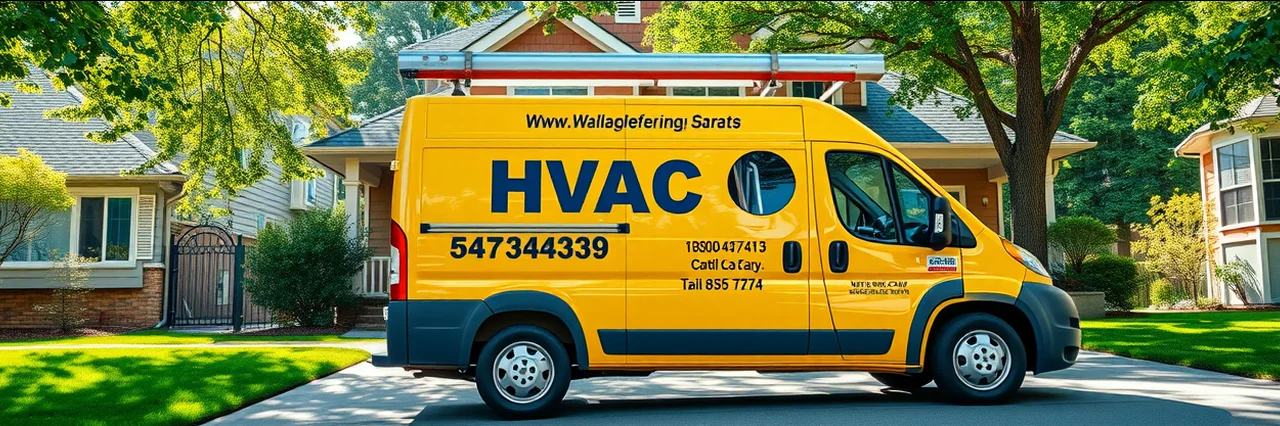
Yellow HVAC van in residential area for residential cooling solutions service.

One Hour Heating & Air Conditioning of Charlotte

📍 Address: 3030 Whitehall Park Dr Suite #1, Charlotte, NC 28273

📞 Phone: +1 704-703-4220

🌐 Website: https://dependaworthyonehour.com/

★★★★★
Rating: 4.8

Keeping Charlotte Cool: A Look at Local Residential Cooling Solutions

When summertime temperatures rise in Charlotte, keeping homes cool becomes more than just a comfort—it’s a necessity. For many area families, finding reliable residential cooling solutions is an important part of surviving long stretches of hot, humid weather. But who are the people behind the systems that keep neighborhood homes comfortable, and why does their work matter so much to the community?

Local HVAC service is more than just fixing or replacing air conditioners. At its core, it’s about ensuring healthy, safe living spaces during the region’s hottest months. With more homeowners dependent on cooling systems than ever, accessible and dependable air conditioning service is now considered essential. This story takes a closer look at a homegrown business dedicated to meeting that need, examining its role in Charlotte’s comfort and well-being.

For residents who experience the effects of a sudden system failure or need help selecting new equipment, understanding who provides these services—and how—can make a big difference. From fast repairs in emergencies to guidance on long-term solutions, the significance of local expertise in home cooling is felt across the city with every working A/C unit.

History and Roots: Serving Charlotte’s Residential Cooling Needs

Modern family home with air conditioning, residential cooling solutions in Charlotte

One Hour Heating & Air Conditioning of Charlotte has been assisting homeowners for years, building a reputation for responsiveness and technical know-how. Operating out of their location on Whitehall Park Dr, the company has watched the area grow and change alongside the evolving demands for home climate control.

While Charlotte’s climate may keep HVAC businesses busy, consistency and reliability have always played a role in the company’s service model. The team responds to calls around the clock, reflecting the realities of how cooling emergencies can strike at any time—whether it’s a late summer night or an unexpected spring heatwave.

“We’ve been part of the Charlotte community for a long time, and we understand what local families need when it comes to cooling their homes,” said the owner. With every installation, maintenance call, or urgent repair, the company aims to offer practical help at the moment it’s needed most.

Practical Solutions: How Local Experts Approach Home Cooling

When it comes to providing residential cooling solutions, the approach centers on speed, clarity, and professionalism. The team at One Hour Heating & Air Conditioning resolves urgent breakdowns, performs seasonal maintenance, and advises on the best units for specific homes, always looking for the most practical fit.

HVAC technician explains residential cooling solutions to Charlotte homeowners

Technicians are trained to communicate directly with homeowners, explaining service steps in straightforward terms before, during, and after the job. “Our goal is to make sure families know what’s happening with their system and to answer their questions on the spot,” said the owner. That level of communication is important to residents who may not feel confident about the technical details but want to make informed choices.

The company also places importance on keeping disruptions to a minimum. At the end of each project, it’s standard practice to clean up thoroughly, giving homeowners back their space as promptly as possible. As one customer described, “When they wrapped up the job there was no sign they were ever here. ”

Always On Call: Why 24-Hour Service Matters Locally

Charlotte’s weather doesn’t follow a nine-to-five schedule, and neither do home cooling emergencies. For this reason, around-the-clock availability is a cornerstone service for the company. Residents can seek help any time of day or night, which can be crucial if a cooling failure happens during an extreme heat spell or right before a family gathering.

This open schedule provides a safety net for homeowners. Whether a system breaks late at night or on a holiday weekend, trained technicians are ready to respond. In some cases, this helps prevent property damage or protects the health of young, elderly, or vulnerable residents during periods of high heat.
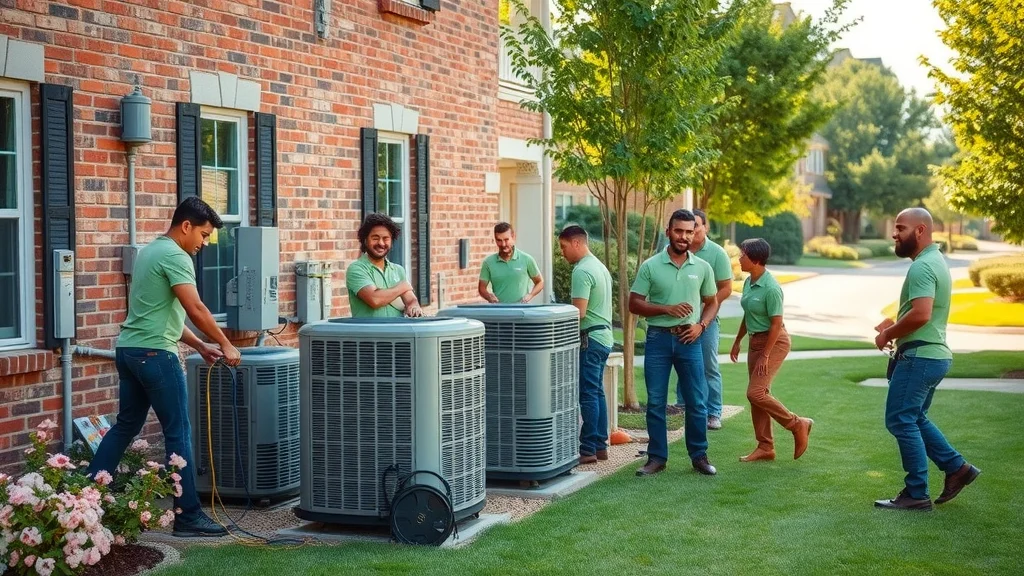
Charlotte residential cooling technicians servicing home air conditioning units

Clear Communication: Helping Homeowners Make Informed Choices

One consistent theme in customer feedback is communication. Homeowners say they appreciate when technicians explain what needs to be done, what it will cost, and how long it will take. For a service that can often feel uncertain or technical, clear explanations help build trust throughout the repair or installation process.

The team also provides advice on system care and future planning, helping customers extend the life of existing equipment or choose new options with confidence. “We do our best to communicate every step, so people feel comfortable and there are no surprises,” the owner shared.

Dependability and Local Trust Keep Business Relevant

As Charlotte continues to grow, so does the need for reliable home cooling. The company’s continued presence and 24-hour response mean families have a trusted local source to turn to as temperatures climb.

Customer reviews highlight technicians’ professionalism, attention to detail, and courtesy—all traits that keep word of mouth strong in local neighborhoods. With many long-time residents and newcomers alike seeking quality service, local expertise remains important in an increasingly competitive field.

“You have to stand by your work and respect people’s time,” the owner said. “That’s what keeps customers coming back. ”

Child sleeping comfortably under home cooling, residential cooling solutions Charlotte

Neighbors Share Their Experience with Local Cooling Experts

The reputation of residential cooling services can be seen in real customer feedback. During a recent winter project, one Charlotte family found their expectations met from start to finish when multiple HVAC units and a heat pump were replaced in their home just after the New Year. They described the punctuality, communication, and professionalism shown by every technician involved.

We had an excellent experience with this company during the week of New Years. We had a big job replacing 2 HVAC units and a heat pump. They were fair about the pricing, so that helped to start things off right. During the removal and installation, their communication and customer service was top notch. Brian was personable and did a great job of explaining everything throughout the project. This company goes above and beyond to let you know who is coming to your house and when, and they held true to the timeline. We had a lot of techs in and out of our home for several days, and when they wrapped up the job there was no sign they were ever here. We will continue to use One Hour Heating and would recommend them to anyone who needs HVAC servicing or replacement.

Positive experiences like this reflect the standards many locals seek when it comes to maintaining a comfortable home. As temperatures shift and families look for knowledgeable support, reliable cooling service remains an important asset in the Charlotte area.

Local Experts Keep Charlotte Comfortable Year-Round

In a city where weather can be unpredictable and summers are especially challenging, having dependable residential cooling solutions is part of daily life. Companies dedicated to clear communication, consistent scheduling, and thorough workmanship give residents the peace of mind they need.

Thanks to ongoing service and a practical approach rooted in local knowledge, providers like One Hour Heating & Air Conditioning of Charlotte continue to set the standard for trusted, accessible cooling care across the community.

Contact the Experts at One Hour Heating & Air Conditioning of Charlotte

If you’d like to learn more about how residential cooling solutions could benefit your home, contact the team at One Hour Heating & Air Conditioning of Charlotte. 📍 Address: 3030 Whitehall Park Dr Suite #1, Charlotte, NC 28273 📞 Phone: +1 704-703-4220 🌐 Website: https://dependaworthyonehour. com/

One Hour Heating & Air Conditioning of Charlotte Location and Hours

🕒 Hours of Operation:📅 Monday: Open 24 hours📅 Tuesday: Open 24 hours📅 Wednesday: Open 24 hours📅 Thursday: Open 24 hours📅 Friday: Open 24 hours📅 Saturday: Open 24 hours📅 Sunday: Open 24 hours
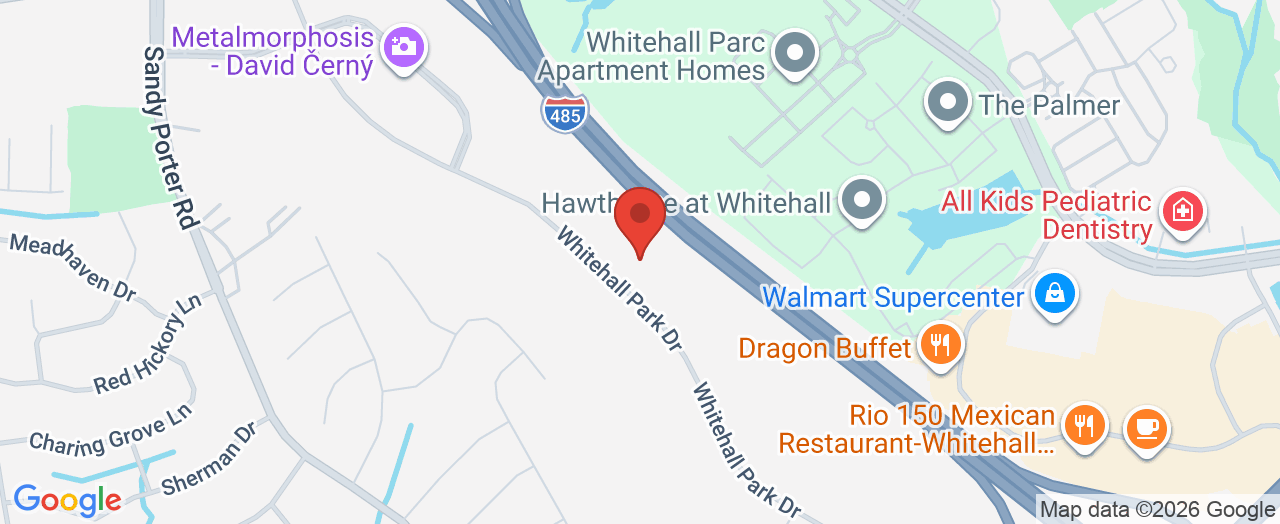
Location Map
HVAC Industry Spotlight

0 Comments

Write A Comment

*
*
Related Posts All Posts
03.01.2026

How Underperforming Distributors Prompt HVAC Contractors to Switch Suppliers

Update Understanding the Dynamics of Distributor-Contractor Relationships The HVAC industry thrives on the intricate relationships between distributors and contractors, which ideally function as strategic partnerships. However, recent trends indicate that these partnerships are being severely tested. A report highlighted that over 70% of HVAC contractors are likely to shift their business to competing distributors when faced with underperformance, emphasizing the need for a robust communication framework. The Cost of Underperformance Often, when distributors fail to meet expectations in product availability and timely delivery, contractors are left with little choice but to seek alternative suppliers. This shift not only impacts immediate business relationships but could also lead to long-term loyalty issues. A strong focus on customer service and proactive communication is essential. As conveyed through the HARDI 2025 Voice of Contractor Customer Satisfaction Survey, contractors prioritize reliable fulfillment and competitive pricing above all else. When these needs go unmet, the relationship can dissolve quickly. The Role of Communication in Building Trust Effective communication between distributors and contractors serves as the foundation for trust, which in turn strengthens business ties. Daily interactions with counter or inside sales staff can enhance contractor loyalty, even in times of market stress. It is through open dialogues that both parties can navigate regulatory transitions such as the recent refrigerant changes. A lack of shared forecasting can lead to confusion and shortages, further eroding trust. Shaping Advocacy Through Strategic Partnerships Beyond the transactional relationship, the distributor-contractor alliance can be powerful in advocacy efforts. Contractors are pivotal in influencing HVACR policies, and when distributors join forces with them, they can present a coordinated voice to policymakers. Such collaborations can ensure that legislative changes are both practical and implementable, ultimately benefiting the entire value chain. Future Predictions: A Shift Toward Relationship-Centric Business Models Looking ahead, HVAC distributors must choose between competing on mere transactions or investing in long-standing relationships. The growth of alternative purchasing options, including online marketplaces, compels distributors to re-evaluate their business models. Companies that prioritize nurturing relationships, understanding their customers' pain points, and remaining agile in the face of change will not only survive but thrive. Strategies for HVAC Business Owners Business owners must implement strategies that maintain open lines of communication, embrace cooperative planning, and facilitate shared forecasts. Engaging with contractors regularly, understanding their business needs, and addressing long-term goals can significantly improve retention rates. When distributors treat their contractors as partners rather than a simple revenue stream, it creates a mutually beneficial relationship that fosters loyalty all around. Conclusion: The Importance of Adaptability In a rapidly changing industry, HVAC distributors’ choices will shape their futures. The ability to communicate effectively and not shy away from confronting challenges head-on is vital. As market disruptions arise, those who embrace partnerships over transactions will carve out preferred positions, shaping a stable and effective HVACR landscape. It is essential to recognize that while we can’t control market forces or regulatory changes, the nature of our interactions and mutual respect is entirely within our grasp. As an HVAC business owner, reflect on the relationships you’re fostering today. Consider reaching out to your distributor and initiating a dialogue to strengthen this partnership—such steps can greatly enhance your long-term business trajectory.

02.24.2026

Why Trust and Risk Allocation are Key to HVAC Contracts Success

Update Understanding the Essence of Trust and Risk in HVAC Contracts As HVAC business owners navigate the intricacies of engineering contracts, especially in the context of construction, a fundamental principle emerges: success hinges on the delicate balance of trust and risk allocation. Contracts are more than just legal documents; they are frameworks that define relationships and set the stage for collaboration and conflict resolution. The Critical Role of Risk Allocation The construction industry has long struggled with the allocation of risk among various stakeholders, including contractors, subcontractors, and project owners. Like many sectors, HVAC contractors face the challenging reality that poor risk allocation can lead to costly disputes and financial losses. Studies indicate that inappropriate risk allocation is a significant driver of project overruns, which can wreak havoc on budgets and timelines (Zaghloul & Hartman, 2002). For HVAC businesses, this means understanding how to effectively manage risks associated with forced delays, unexpected costs, and liability claims. According to findings in industry surveys, the use of disclaimer clauses in contracts can impose a financial burden, translating to premiums that range from 8% to 20%, depending on market conditions. Such determinants make it crucial for HVAC contractors to thoroughly assess these clauses and ensure that risks are equitably shared rather than heavily skewed towards one party (Adra, Lindsay, Northcott, & Van Espen, 2025). Trust as a Currency for Collaboration Trust serves as a foundational element in the construction industry, influencing both the efficiency of contracts and the relationships between parties. The Color of Trust Model, discussed by Hartman (2000), outlines three types of trust—competence, integrity, and intuitive—which play pivotal roles in how contracts are executed: Competence Trust: Confidence in the ability of a contractor to deliver meeting the project requirements. Integrity Trust: Assurance that parties will act ethically and avoid exploiting each other’s vulnerabilities. Intuitive Trust: Gut feelings about whether the relationship and collaboration between parties feel right. For HVAC contractors, fostering relationships grounded in trust can reduce the risk premiums associated with disclaimer clauses. As the perception of risk declines—in environments dominated by trust—contractors can negotiate contracts that work in their favor, ultimately leading to reduced project costs and increased reliability in partnerships. Current Trends Impacting Contracts in the HVAC Sector Recent years have seen a shift in how contracts are structured in HVAC projects. As industry players become increasingly aware of the importance of risk allocation and trust dynamics, there is a growing emphasis on transparent negotiations. Stakeholders are beginning to engage in discussions regarding risk-sharing arrangements that promote equal responsibility and minimize the likelihood of disputes. Standard forms of contracts like FIDIC and NEC4 have evolved to help streamline risk allocation and encourage effective collaboration. They advocate for balanced approaches where project owners and contractors are encouraged to share risks associated with project uncertainties. This notion is crucial for HVAC businesses that are often caught at the interstice between project design and operational realities. Implementation Strategies for HVAC Business Owners Effective contract management within the HVAC industry requires strategic planning and a proactive approach to risk management: Develop a Clear Risk Management Framework: Establishing a clear understanding of risks, who bears them, and how they can be mitigated is paramount. This helps shape negotiations and fosters an environment of trust. Engage in Proactive Contract Negotiations: Before a contract is signed, HVAC business owners should seek out opportunities to discuss potential risks openly and work collaboratively to define measures that will minimize adverse impacts. Monitor and Evaluate Contract Performance: Post-execution, actively monitoring projects for compliance and progress can reveal emerging risks early enough to address them before they escalate. Build Relationships Based on Trust: Investing in relationship-building not only helps in managing current projects but also paves the way for future collaborations and repeat business. Conclusion: The Need for Partnership in Risk Management In conclusion, as HVAC business owners step into the complexities of engineering contracts, the intertwined elements of trust, risk allocation, and relationship management define their path to success. By focusing on transparent, trustworthy partnerships, leveraging effective risk management practices, and proactively negotiating contracts, HVAC businesses can drive efficiency and profitability in an increasingly competitive landscape. As you reflect on your own contract practices, consider taking steps to deepen your understanding of risk allocation and foster trust in your business relationships. With collaborative strategies in place, the HVAC industry can avoid costly pitfalls and thrive in the realm of construction and engineering.

02.21.2026

Competing Effectively on Google Ads: A Blueprint for HVAC Success in 2026

Update Unlocking Success: The Crucial Shift for HVAC Businesses in 2026 As we step into 2026, HVAC business owners face an evolving digital marketing landscape that demands immediate adaptation. Staying relevant in an increasingly competitive market means leveraging Google Ads effectively to capture those urgent, high-intent customer leads. But how can HVAC businesses position themselves to thrive? Understanding the HVACR Customer Journey The HVACR industry is unique; customers often seek services during emergency situations—when their heating fails mid-winter or their AC breaks down in the peak of summer. Consequently, businesses must engage customers at the right moment and place, predominantly through Google search. Understanding this urgency and emotion is paramount in crafting a digital marketing strategy in 2026. Local Service Ads: The Gold Standard for Trust At the forefront, Local Service Ads (LSAs) have transformed the competition landscape for HVAC businesses. With the green "Google Guaranteed" badge, LSAs signal quality and reliability, especially in a sector where trust is crucial. They appear prominently at the top of search results, enabling HVAC companies to capture the attention of consumers actively seeking help. Investing in LSAs also means paying per lead instead of per click—offering a more targeted approach where you only fund actual inquiries, significantly improving ROI. Precision Targeting: High vs. Low Intent Searches Successful HVAC marketing in 2026 hinges on understanding intent differences. High-value campaigns focused on urgent needs (like emergency repairs) require specific keywords (e.g., "broken furnace 24/7") to capture these leads effectively. Conversely, high-ticket system replacements necessitate a different strategy, emphasizing value and investment (e.g., "best heat pump installation"). Mitigating Wasted Spend: Negative Keywords To maximize your advertising budget, implementing a comprehensive negative keyword strategy is vital. By excluding searches related to DIY repairs or unrelated services, HVAC businesses can concentrate their spending on consumers more likely to convert, eliminating wasted clicks. Adjusting Strategies for Shoulder Seasons During off-peak months, businesses must shift focus toward maintenance services and indoor air quality solutions rather than immediate repairs, catering to health-conscious homeowners seeking IAQ upgrades. Time-sensitive promotions, such as seasonal specials, can help maintain engagement despite reduced demand. Optimize for ROI: Measuring Success Effective campaign management involves metrics that highlight both customer acquisition costs (CAC) and return on investment (ROI). Tracking tools are essential in determining which keywords and campaigns yield profitable leads. For instance, if a certain keyword generates a call every five times, understanding this relationship allows for informed budgeting and bidding strategies. Strategic Landing Pages: Your First Impression In 2026, simply having a well-designed website is insufficient. Landing pages must resonate with your ads, providing clear value propositions, easy navigation, and urgency prompts—a “Call Now” button thus becomes essential. The Future of Google Ads: Anticipating Trends Looking ahead, HVAC businesses should be prepared to embrace automation and AI-driven strategies that Google continues to promote. Voice search is also on the rise, requiring adaptations in keyword selection and content tone to stay relevant. Partnering for Success: Why Hire Experts? With the complexities of Google Ads continuously amplifying, partnering with a marketing agency can simplify the process. Experts bring tailored strategies that not only ease campaign management but also ensure that HVAC businesses achieve optimal visibility without wasting resources. Conclusion: Seizing Opportunities in 2026 As we navigate 2026, HVAC businesses capable of adapting their Google Ads strategies can successfully capture high-intent leads and thrive in this competitive landscape. By prioritizing Local Services Ads, maintaining precise targeting, and ensuring effective budget management, HVAC contractors can look forward to a prosperous future. It’s not just about getting clicks; it’s about translating those interactions into lasting business relationships.

Terms of Service

Privacy Policy

Core Modal Title

Sorry, no results found

You Might Find These Articles Interesting

T
Please Check Your Email
We Will Be Following Up Shortly
*
*
*