

Did you know? Up to 30% of new air conditioning installations suffer efficiency issues due to avoidable mistakes. That’s a sobering figure, especially when you consider the comfort, cost, and efficiency at stake in every home. This article unmasks the most common pitfalls in air conditioning installation—and, more importantly, arms you with actionable steps to ensure your home’s AC performs at its absolute best.
Staggering Statistics: Why Air Conditioning Installation Issues Are More Common Than You Think
"Up to 30% of new air conditioning installations suffer efficiency issues due to avoidable mistakes."
Air conditioning installation may seem straightforward, but in reality, it’s a labor-intensive procedure with little room for error. Recent industry surveys report that nearly one in three installations underperform because of preventable mishaps, often ranging from incorrect unit sizing to poorly connected refrigerant lines and faulty airflow setups. These lapses aren’t just technical headaches—they translate to higher utility bills, increased breakdowns, and even premature system failure.
Whether installing a central air system, split AC unit, or upgrading an outdated air conditioner, understanding why these issues occur helps homeowners proactively guard against costly mistakes. Flawed installations don’t discriminate by home age or region—they’re widespread. That’s why recognizing warning signs, knowing what questions to ask your technician, and understanding the basics of AC installation can protect your investment and your comfort. With so many homes at risk, getting the facts—and fixes—has never been more important.

What You'll Learn About Air Conditioning Installation Issues
- The most frequent air conditioning installation problems and their causes
- How air conditioner and evaporator coil errors impact efficiency
- Solutions for line set and refrigerant line mishaps
- Cost implications and best practices for central air and AC unit installation
- Expert tips and actionable steps for homeowners
Overview of Air Conditioning Installation: Process and Importance
Air Conditioning System Overview: Key Components
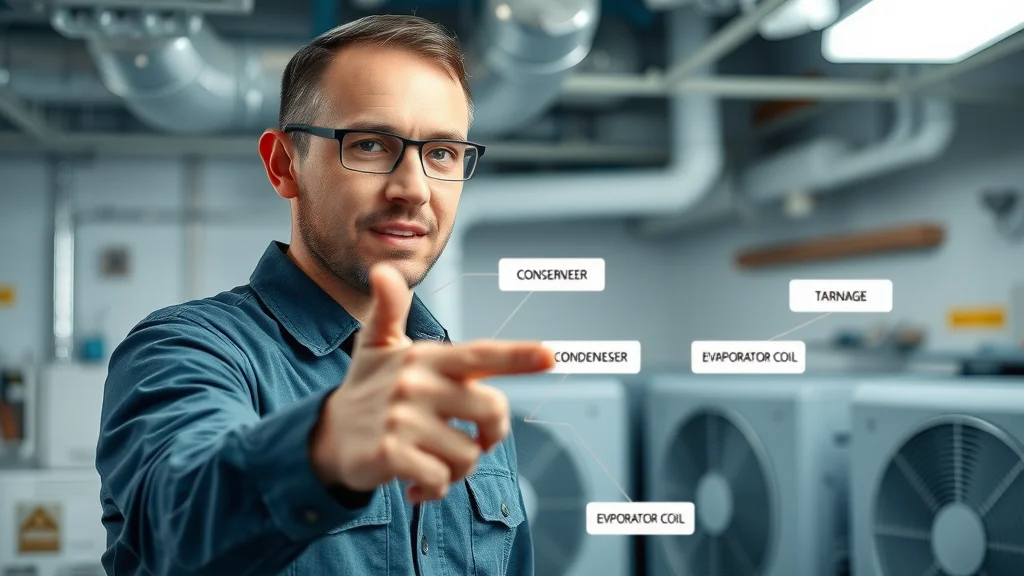
A modern air conditioning system isn’t just a single box that cools down your space. It’s a complex network that relies on several essential parts working in harmony. At its core, the ac unit includes the outdoor condenser, the indoor evaporator coil, refrigerant lines (sometimes called the line set), and control components such as the thermostat and disconnect box. Inside the home, the evaporator coil sits atop the furnace or air handler, where warm indoor air is drawn in, cooled, and circulated.
Crucial as well are elements like the drain pan (which redirects condensation safely), the suction line and liquid line (which transport refrigerant), and safety components like service valves and overcurrent protection. Quality ductwork—crafted from materials such as sheet metal or flexible composite—ensures cool air reaches all rooms efficiently. The installation of these components must be precise: even a minor error can introduce inefficiency or damage.
Why Quality Air Conditioning Installation Matters for Long-Term Performance
Quality installation is the difference between an air conditioning system that hums along for years and one that’s a constant source of frustration. A faulty air conditioning installation can create a domino effect—leading to improper energy usage, diminished cooling, reduced system life, and frequent (expensive) repairs. For example, an incorrectly sized ac unit works overtime to compensate, overloading both the system and your electricity bill.
The benefits of precision installation extend beyond comfort and cost. Correctly mounted line sets, insulated refrigerant lines, and a properly seated evaporator coil all work together to not only maintain consistent temperatures but also to preserve indoor air quality and humidity balance. Always work with certified professionals who follow the latest HVAC best practices—this protects warranties, ensures code compliance, and prevents issues that could void crucial system protections. Investing in professional, detail-driven work now pays off with dependable performance for years to come.
Top Air Conditioning Installation Problems To Watch Out For
Improper Air Conditioner Sizing and Its Consequences
One of the most common errors during air conditioning installation is selecting the wrong size unit. It might seem logical to pick a larger ac unit for more cooling power, but in reality, both oversized and undersized systems create comfort and efficiency problems. An oversized air conditioner will short-cycle, rapidly turning on and off. This leads to uneven room temperatures, increased wear on the compressor, and higher humidity. Conversely, an undersized system will constantly run, struggling to cool your home, leading to sky-high energy costs and premature component failure.
The right unit size depends on multiple variables: your home’s square footage, insulation, ceiling height, sun exposure, and number of occupants—not just the number of rooms. HVAC professionals use Manual J load calculations to determine the correct capacity for your central air or split system. If your installer skips these calculations, or simply matches your old unit “size-for-size,” they risk setting the stage for years of discomfort and excessive repairs. Always ask your contractor how they determined your home’s needs before installation begins; this step alone can avoid the most frequent (and costly) sizing mishaps.
Incorrect Placement of Air Conditioning Units
Where your ac unit and outdoor condenser are placed can greatly affect system performance and longevity. Placing a unit too close to an obstruction like shrubs, fences, or the wall restricts airflow, forcing the compressor and fan to work harder and reducing efficiency. Incorrect placement inside—such as positioning the indoor evaporator coil near direct sunlight or heat sources—can also lead to inaccurate thermostat readings, uneven cooling, or even coil freeze-ups.
Beyond just airflow, accessibility is critical. Installers should ensure easy access to the disconnect box, service valve, and drain pan for future maintenance, filter replacement, or repairs. If your HVAC professional rushes through this process or neglects clearances, your system’s overall reliability may suffer. Take time to discuss both exterior and interior options, keeping in mind code requirements, noise levels, and possible future expansion of your system or living space.
Evaporator Coil and Indoor Evaporator Coil Mistakes in Air Conditioning Installation
Common Evaporator Coil Installation Errors
The evaporator coil is where the real magic—and many installation mistakes—happen. If a technician handles the coil poorly, contaminates it, or fails to connect the copper line set or expansion valve correctly, it can result in restricted airflow, refrigerant leaks, or even immediate system failure. Other common errors include installing a cased coil or uncased coil without proper casing, misaligning the coil on top of the furnace, or failing to secure it in the metal plenum.
Improper insulation of the suction line or incorrect brazing of the copper line can allow condensation, leaks, and corrosion to set in, harming indoor air quality and system efficiency. Always insist your technician uses dry nitrogen during the brazing process and triple-checks access to the coil for future service. Unaddressed evaporator coil mistakes can ripple through the entire HVAC system, reducing performance and shortening the lifespan of the most expensive components.

How to Identify and Fix Indoor Evaporator Coil Problems
If your home never feels cool enough, or you notice water pooling under your HVAC cabinet, your indoor evaporator coil could be the culprit. Symptoms like ice forming on the coil, a musty odor throughout the house, or visible leaks on the drain pan all point to coil-related issues. Diagnosing these issues—sometimes hidden inside sheet metal ductwork or a cased coil—requires a trained eye and the right tools, like digital pressure gauges and airflow sensors.
To fix common evaporator coil problems, a technician will first inspect for refrigerant leaks and test airflow with specialized tools. They may need to clean the coil, tighten or replace any faulty connections, and ensure the refrigerant lines are properly insulated. If there’s significant damage or the coil has corroded, it may need a full replacement. Regular maintenance—including replacing filters and scheduling a professional coil cleaning every 1-2 years—can prevent these problems and keep your central air humming efficiently all season long.
Air Conditioning Refrigerant Line Set & Refrigerant Line Installation Issues
Typical Line Set and Refrigerant Line Problems
Refrigerant lines, collectively known as the line set, are the system’s arteries—carrying heat and coolness between the indoor evaporator coil and the outdoor condenser. Installation errors here can lead to refrigerant leaks, reduced system capacity, and compressor burnout. Common mistakes include kinking or crushing the copper line, incorrect sizing of the liquid line and suction line, and failing to insulate properly (leading to sweat and corrosion).
Line set issues can also cause serious safety hazards if installers skip purging air and moisture with dry nitrogen before charging the system, or if they overlook correctly securing the lines with brackets. Improper flare or braze joints are prone to leaks, and unprotected lines can attract pests or get damaged by accidental knocks inside the home. To avoid these installation nightmares, ensure your installer is diligent about pressure testing, vacuum process completion, and using heat protection during brazing.
Solutions for Leaks and Improper Connections in Air Conditioning Installations
When a refrigerant leak is suspected, technicians must use specialized electronic detectors or bubbles to pinpoint the affected area—usually at connections within the refrigerant line set or nearby the service valve. The fix often involves evacuating the refrigerant, replacing the compromised section of the copper line set, and ensuring all joints are clean, tight, and securely brazed or flared. New insulation sleeves should then be installed around the suction line to prevent condensation and future corrosion.
For long life and energy efficiency, post-repair, the installer should run a thorough vacuum process to remove moisture, then properly recharge the system with the manufacturer-specified refrigerant. If you detect oil stains on your lines or beneath the condenser, or hear hissing sounds during operation, contact an HVAC professional promptly. Unaddressed leaks result in loss of cooling, higher bills, and potentially major damage to the compressor or indoor coil.
Central Air Installation Pitfalls: Ensuring Efficient System Operation
How Central Air and AC Unit Installation Mistakes Affect Home Comfort
Central air systems create even, whole-home comfort—when installed correctly. But even minor mistakes—from unsealed ductwork to misplaced return vents or improper airflow balancing—can transform your investment into a headache. One frequent blunder is neglecting to properly mount the condenser on a level composite pad, leading to vibration noise and premature compressor wear. Another is failing to seal sheet metal duct joints, resulting in cooled air escaping before it ever reaches your living spaces.
Inadequate installation of a new central air system can cause issues like temperature spikes between rooms, constant cycling on and off, or excess dust circulating in the home. Always ensure your installer follows a detailed checklist—including testing airflow at each vent, confirming refrigerant charge with gauges, and documenting pressure readings at the service disconnect. These best practices protect not only your investment, but also your daily comfort.
| Problem | Causes | Impacts | Solutions |
|---|---|---|---|
| Improper AC Unit Sizing | Skipping load calculations, under/overestimating home requirements | High bills, uneven cooling, shortened system lifespan | Manual J calculations; professional consultation |
| Incorrect Unit Placement | Ignorance of airflow clearances, proximity to obstacles | Restricted airflow, increased wear, inefficiency | Follow manufacturer specs; allow open space around units |
| Evaporator Coil Errors | Improper coil seating, insulation gaps, faulty brazing | Poor cooling, leaks, premature failure | Secure installation, use dry nitrogen, regular inspection |
| Line Set/Refrigerant Line Issues | Kinked lines, poor insulation, leaks at connections | Loss of refrigerant, reduced efficiency, major repairs | Pressure test, proper insulation, careful routing |
| Central Air Ductwork Flaws | Improper sealing, missed airflow tests | Loss of air, high bills, cold/hot spots | Seal all joints; test airflow at every vent |
Cost Considerations for Air Conditioning Installation
Breaking Down the Cost of Air Conditioner and Central Air Installation
The cost of air conditioning installation can feel daunting at first, but understanding the price components helps you make informed decisions. The average cost to install an AC unit or central air system ranges from $3,000 to $7,000, depending on factors such as system capacity, brand selection, ductwork requirements, and installation complexity. Higher-end systems with premium features, like variable-speed blowers or smart thermostats, may command the upper end of this range.
Labor charges, regional permitting fees, electrical upgrades (such as new disconnect box or overcurrent protection), and the need for duct alterations all play a role in the total price. Always request an itemized quote from your contractor, outlining costs for the air conditioner, evaporator coil, refrigerant lines, insulation, and any additional install materials like composite pads or metal plenum fabrication. This transparency empowers you to challenge vague or inflated charges and spot any corners being cut, ensuring a fair investment in comfort.

The $5000 Rule Explained: When to Repair vs Replace Your AC Unit
Homeowners often struggle to decide between repairing and replacing an ac unit, especially when faced with a hefty repair bill. The "$5000 rule" offers a helpful guideline: simply multiply the estimated repair cost by the age of your system. If the total exceeds $5,000, it's generally more cost-effective to replace the unit than continue repairing an inefficient, aging system. For instance, an eight-year-old central air conditioner with a $700 repair quote ($700 x 8 = $5600) makes a replacement a smarter long-term choice.
This rule accounts for declining efficiency, higher energy consumption, and the increased likelihood of more repairs as the unit ages. Replacement not only spares you repeated service calls, but also brings the benefits of modern features—better cooling, improved energy efficiency, and greater reliability. Consult a certified HVAC technician, who can provide an honest assessment based on your home's unique cooling needs and the latest AC models on the market.
Expert Quotes: Professional Insights on Avoiding Air Conditioning Installation Errors
"Proper air conditioning installation ensures optimal performance, longevity, and cost saving over time." – HVAC Industry Expert
People Also Ask About Air Conditioning Installation
How much would it cost to have air conditioning installed?
Answer: The cost of air conditioning installation typically ranges from $3,000 to $7,000 depending on unit type, home size, and additional features.
What is the $5000 rule for AC?
Answer: The $5000 rule means if the repair cost multiplied by the AC unit's age exceeds $5,000, replacement is more economical.
How much does it cost to install an air conditioner?
Answer: Installing a single air conditioner unit typically costs between $2,000 and $5,000, but central air systems may cost more.
How much should an AC unit cost to install?
Answer: The average cost for installing an AC unit is about $4,000, factoring in unit capacity, labor, and home specifics.

Key Takeaways for Homeowners on Air Conditioning Installation
- Ensure proper sizing of air conditioner and central air units
- Insist on thorough installation of evaporator coil and refrigerant lines
- Request a detailed breakdown of air conditioning installation costs
- Schedule professional post-installation inspection
- Be proactive about addressing indoor evaporator coil and line set issues
Frequently Asked Questions About Air Conditioning Installation
- What are the signs of a bad air conditioning installation?
- How long does air conditioning installation take?
- Are there warranties for air conditioning installation mistakes?
- What certifications should a professional installer have?
Final Thoughts on Preventing Air Conditioning Installation Problems
Don’t risk costly repairs—book a professional air conditioning installation assessment today.
Conclusion: Homeowners who understand the common pitfalls of air conditioning installation are empowered to make better decisions, avoid costly repairs, and ensure a comfortable home year-round. Trust certified pros, ask smart questions, and never underestimate the value of expert installation.
Sources
- U.S. Department of Energy – https://www.energy.gov/energysaver/central-air-conditioning
- Angi – https://www.angieslist.com/articles/common-air-conditioning-problems.htm
- HVACR School – https://hvacrschool.com/proper-evaporator-installation-checklist/
- Consumer Reports – https://www.consumerreports.org/appliances/air-conditioners/how-to-choose-the-right-size-air-conditioner-a4743477354/
- HVAC.com – https://www.hvac.com/air-conditioners/central-air-conditioning-installation/
When considering air conditioning installation, it’s crucial to be aware of common pitfalls to ensure optimal performance and longevity of your system. For a comprehensive understanding, the article “Common Air Conditioning Installation Problems (And How to Fix Them)” provides valuable insights into typical issues and their solutions. Additionally, the “Guide to Air Conditioning (AC) Installations” by Carrier offers detailed information on the installation process, emphasizing the importance of professional installation for efficiency and safety. (carrier. com) For a visual walkthrough, the video “Air Conditioning Installation Step by Step” demonstrates the entire process, from installing refrigerant lines to setting up the electrical system. (youtube. com) If you’re serious about ensuring a successful air conditioning installation, these resources will provide you with the knowledge and guidance needed to avoid common mistakes and achieve optimal system performance.


Write A Comment